- Space
- Astronomy
A giant rotating filament of the cosmic web may be the largest spinning structure ever seen, and could help reveal how galaxies form.
2 Comments Join the conversationWhen you purchase through links on our site, we may earn an affiliate commission. Here’s how it works.
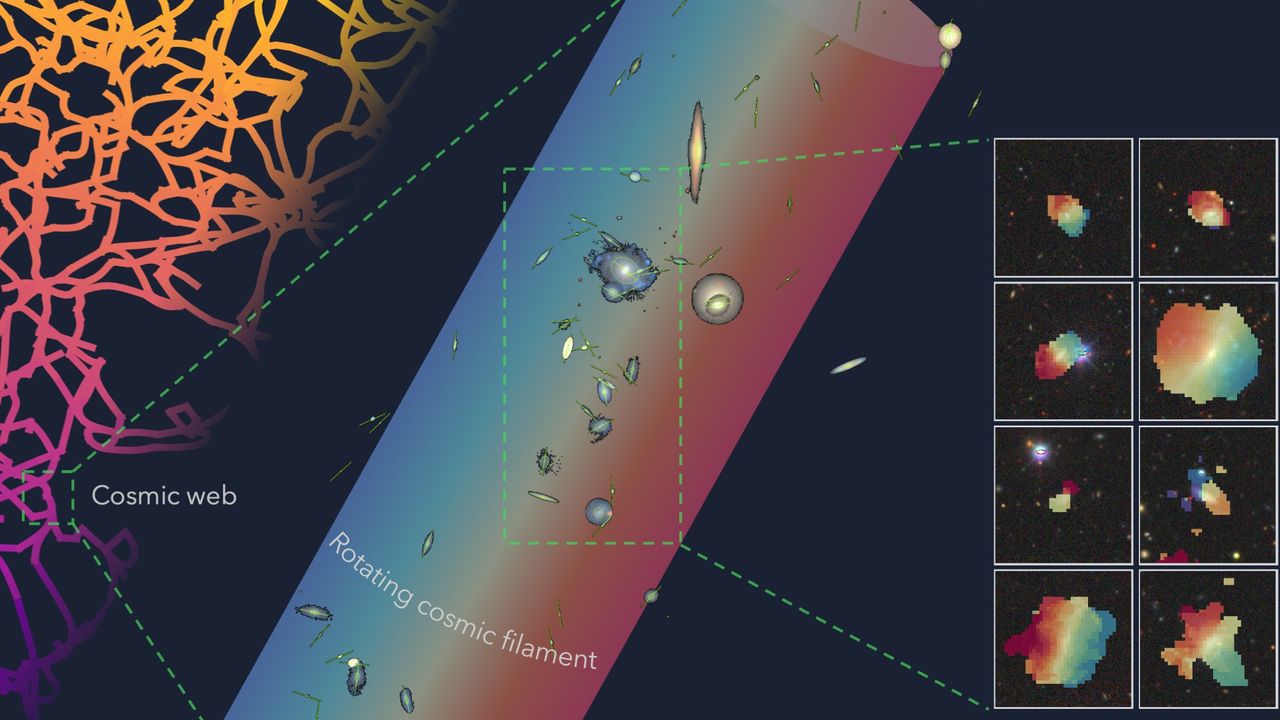
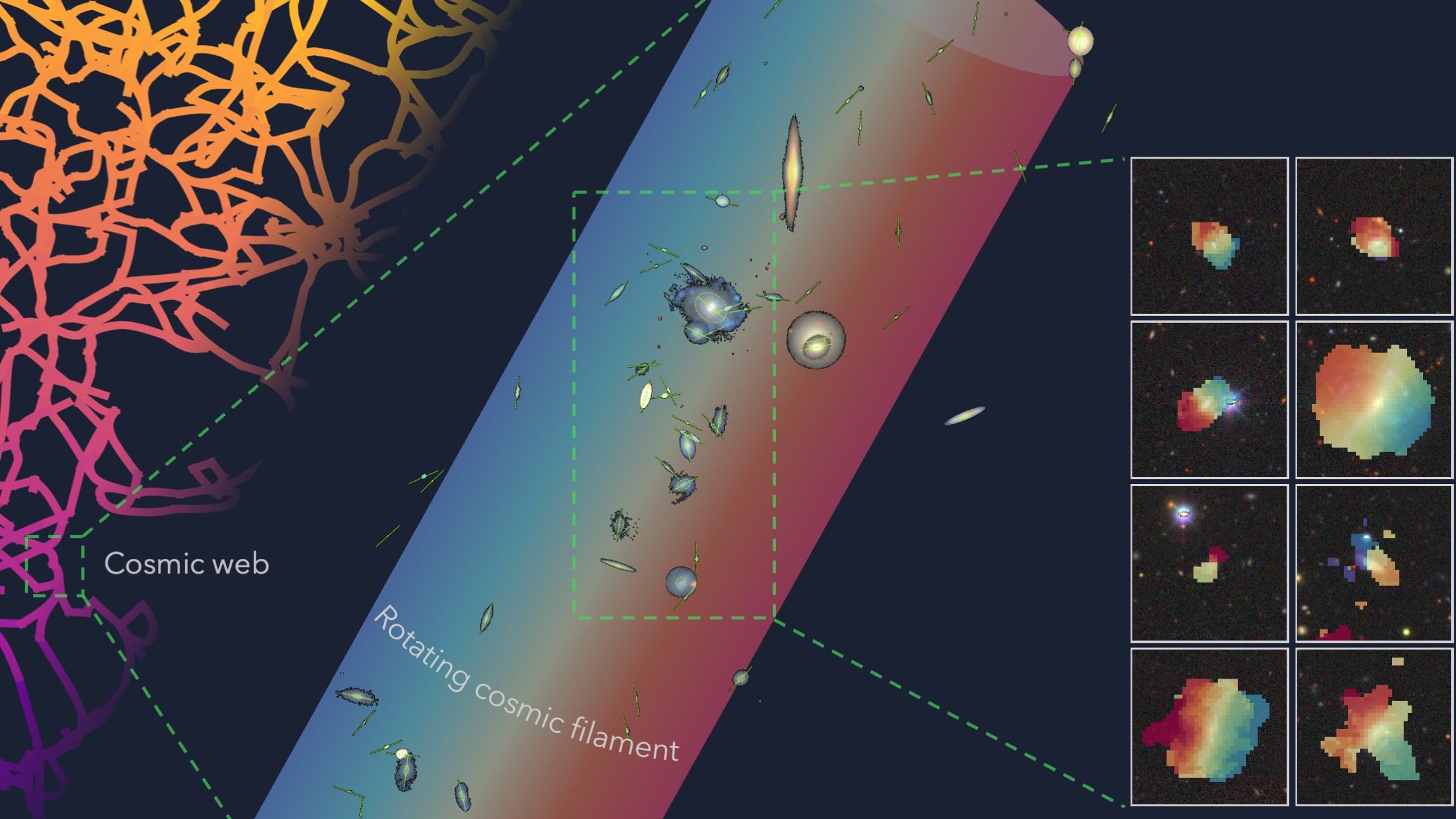 An enormous, spinning branch of the cosmic web binds 14 galaxies together, making it perhaps the largest rotating structure ever spotted.
(Image credit: Lyla Jung)
An enormous, spinning branch of the cosmic web binds 14 galaxies together, making it perhaps the largest rotating structure ever spotted.
(Image credit: Lyla Jung)
Astronomers have spotted what is likely the "largest spinning object" ever discovered, and its rotation could hold important clues about how galaxies develop.
The whirling structure, located 140 million light-years from Earth, is a long, threadlike string of gas that's about 5.5 million light-years long and 117,000 light-years wide — wider than our Milky Way galaxy. The cosmic filament has 14 hydrogen-rich galaxies linked to it in a chain, like charms on a bracelet. These galaxies were what gave away the filament's existence, the researchers explained in a paper published today (Dec. 3) in the journal the Monthly Notices of the Royal Astronomical Society.
You may like-
 James Webb telescope finds 'remarkable' evidence that a black hole plowed through a galaxy, leaving an enormous scar behind
-
 Astronomers spot giant hidden 'bridge' and record-breaking tail between 2 dwarf galaxies
-
 Astronomers spot the most powerful and distant 'odd radio circle' ever seen
After taking measurements, the researchers found that the filament itself appears to be rotating at around 68 miles per second (110 kilometers per second). What's more, the galaxies around it are rotating as well — most in the same direction as the gaseous thread. This suggests that structures like this one may play a key role in galaxy formation by influencing the speed and direction of a star cluster's spin.

—James Webb telescope detects 'fluffy' alien planet that rains sand
—Mysterious 'puffy' planet may finally be explained by James Webb Space Telescope
—32 alien planets that really exist
The team suspects that similar rotating filaments will be discovered in the near future as researchers continue to ever-deeper reaches of the cosmos with next generation telescopes. Many such filaments link to each other in a vast cosmic web that funnels matter throughout the universe, forming large, interlinked clusters of galaxies.
This observation was collected as part of the MIGHTEE (MeerKAT International GHz Tiered Extragalactic Exploration) survey, which is spearheaded by Oxford physicist Matt Jarvis and is currently ongoing. Future MIGHTEE data may shed further light on the filament's behavior or facilitate the discovery of other rotating cosmic threads. The find may also help to inform forthcoming surveys from new instruments, like the Vera C. Rubin Observatory in Chile.
Sign up for the Live Science daily newsletter nowContact me with news and offers from other Future brandsReceive email from us on behalf of our trusted partners or sponsorsBy submitting your information you agree to the Terms & Conditions and Privacy Policy and are aged 16 or over."I think it's really helping us understand the universe," Tudorache said.
 Joanna ThompsonSocial Links NavigationLive Science Contributor
Joanna Thompson is a science journalist and runner based in New York. She holds a B.S. in Zoology and a B.A. in Creative Writing from North Carolina State University, as well as a Master's in Science Journalism from NYU's Science, Health and Environmental Reporting Program. Find more of her work in Scientific American, The Daily Beast, Atlas Obscura or Audubon Magazine.
You must confirm your public display name before commenting
Please logout and then login again, you will then be prompted to enter your display name.
Logout Read more James Webb telescope finds 'remarkable' evidence that a black hole plowed through a galaxy, leaving an enormous scar behind
 Astronomers spot giant hidden 'bridge' and record-breaking tail between 2 dwarf galaxies
 Astronomers spot the most powerful and distant 'odd radio circle' ever seen
 Record-breaking 'dark object' found hiding within a warped 'Einstein ring' 10 billion light-years away
 'Puzzling' object discovered by James Webb telescope may be the earliest known galaxy in the universe
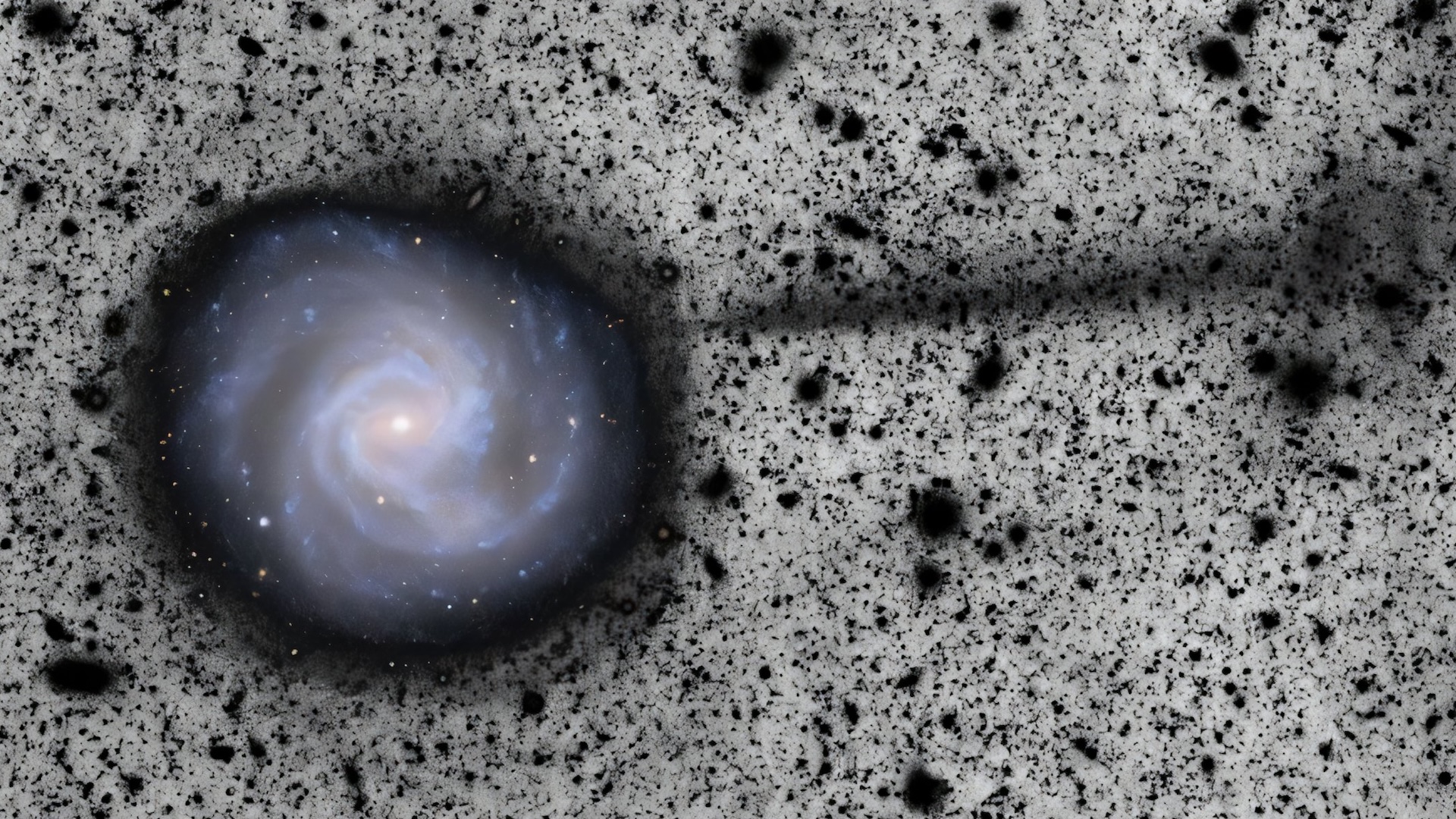 First Vera Rubin Observatory image reveals hidden structure as long as the Milky Way trailing behind a nearby galaxy — Space photo of the week
Latest in Astronomy
First Vera Rubin Observatory image reveals hidden structure as long as the Milky Way trailing behind a nearby galaxy — Space photo of the week
Latest in Astronomy
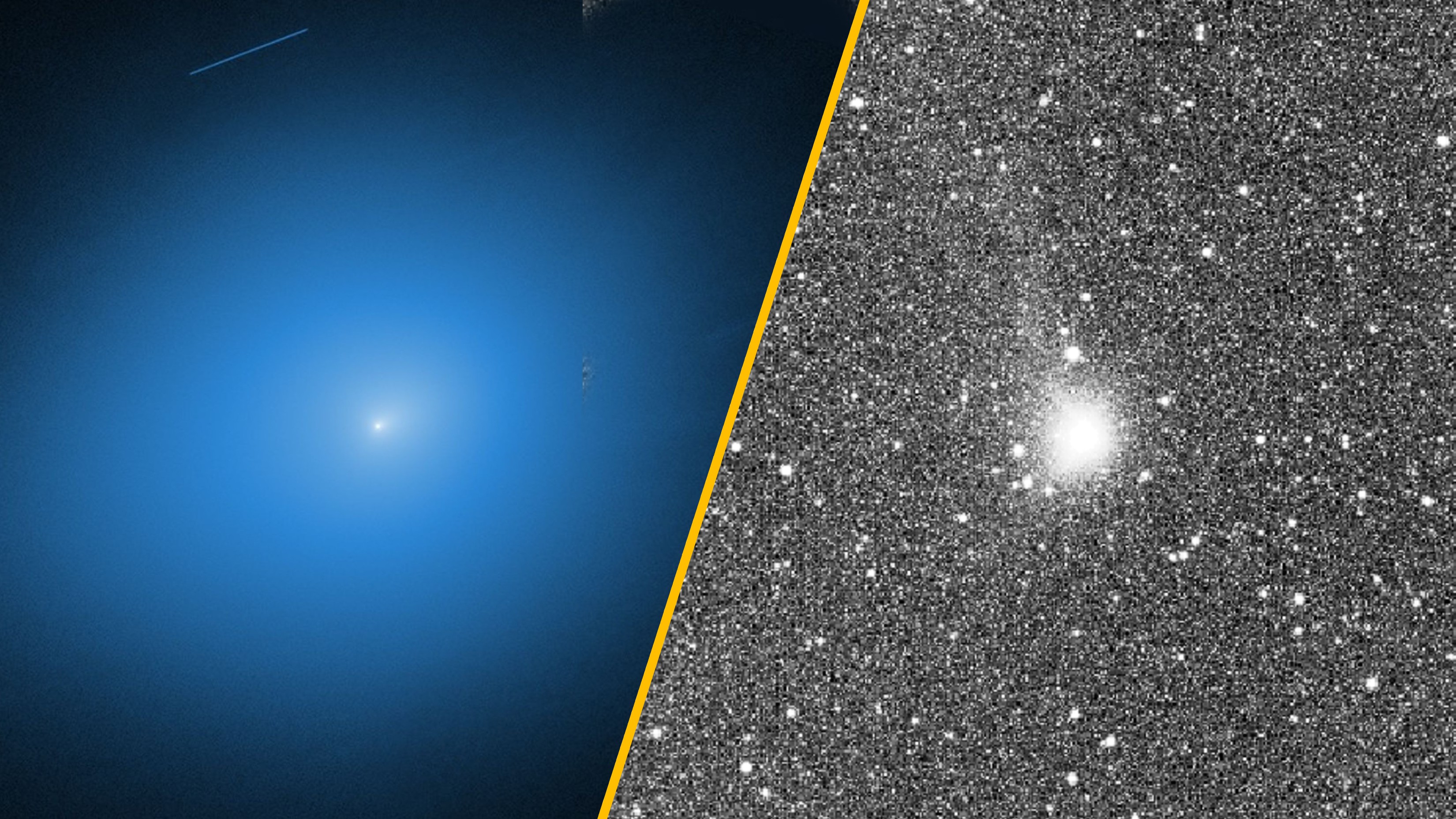 New 3I/ATLAS images show the comet getting active ahead of close encounter with Earth
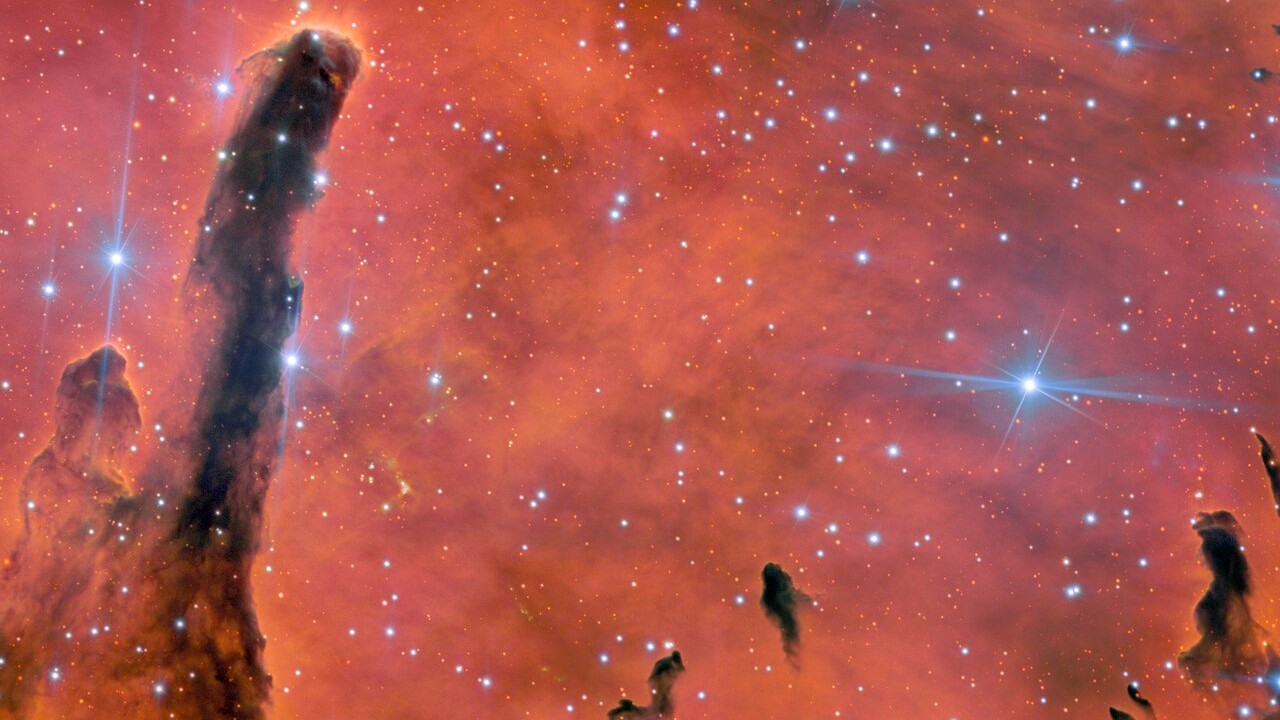 Ethereal structure in the sky rivals 'Pillars of Creation' — Space photo of the week
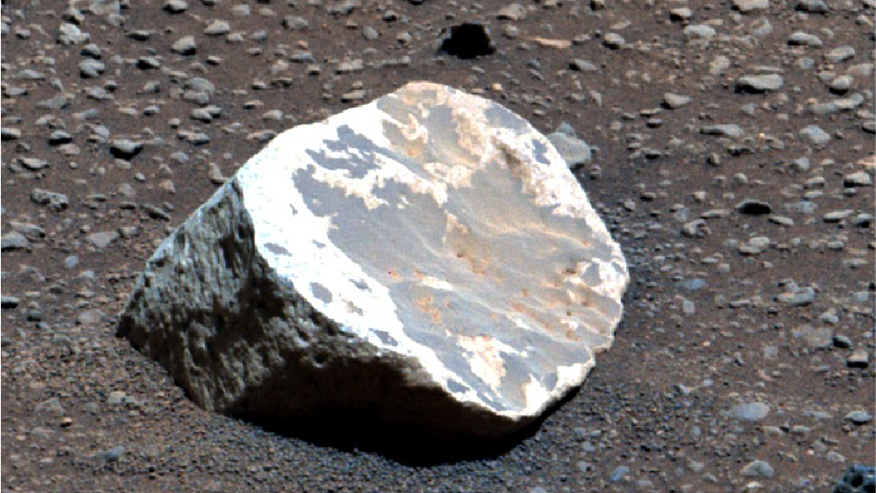 Strangely bleached rocks on Mars hint that the Red Planet was once a tropical oasis
 Giant sunspot on par with the one that birthed the Carrington Event has appeared on the sun — and it's pointed right at Earth
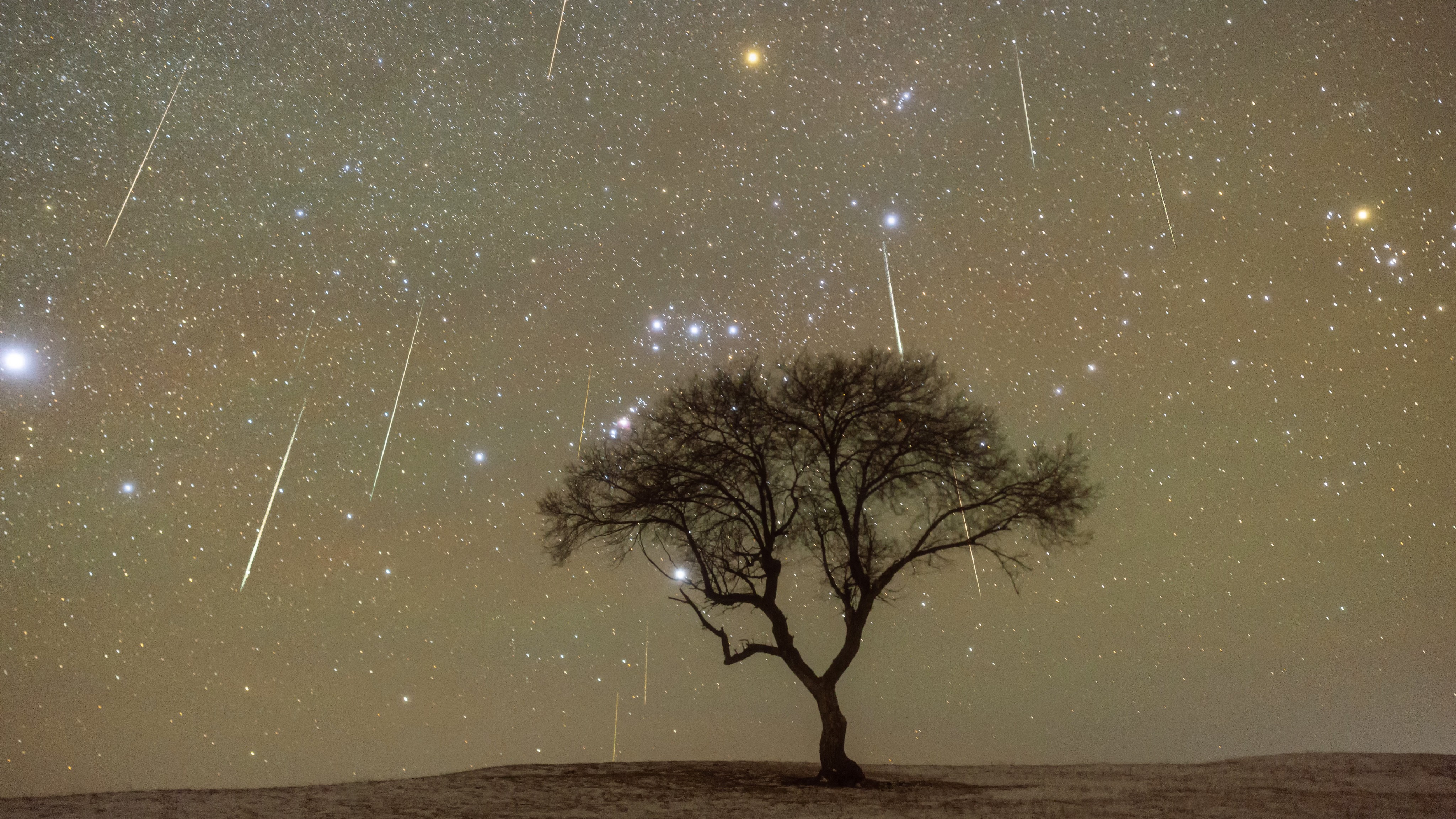 Geminids 2025: The year's best meteor shower peaks this week, with a second shower hot on its tail
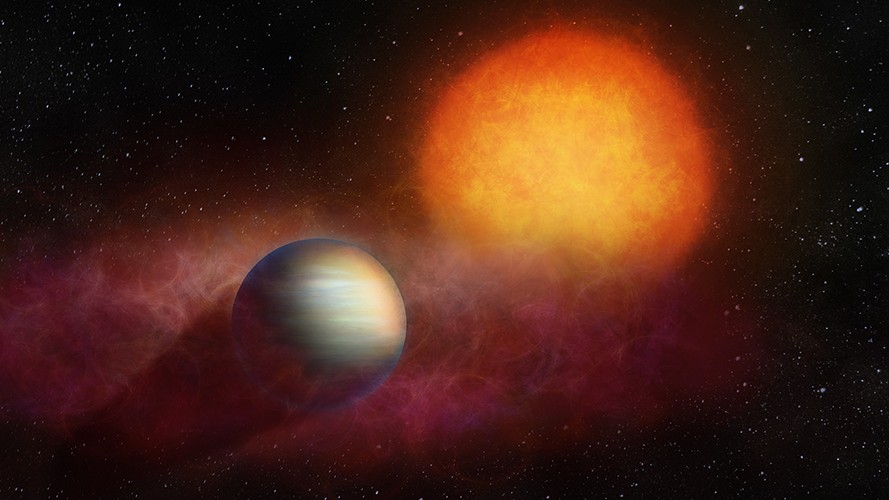 JWST spots a planet chasing its own atmosphere through space
Latest in News
JWST spots a planet chasing its own atmosphere through space
Latest in News
 Glue strong enough to tow a car made from used cooking oil
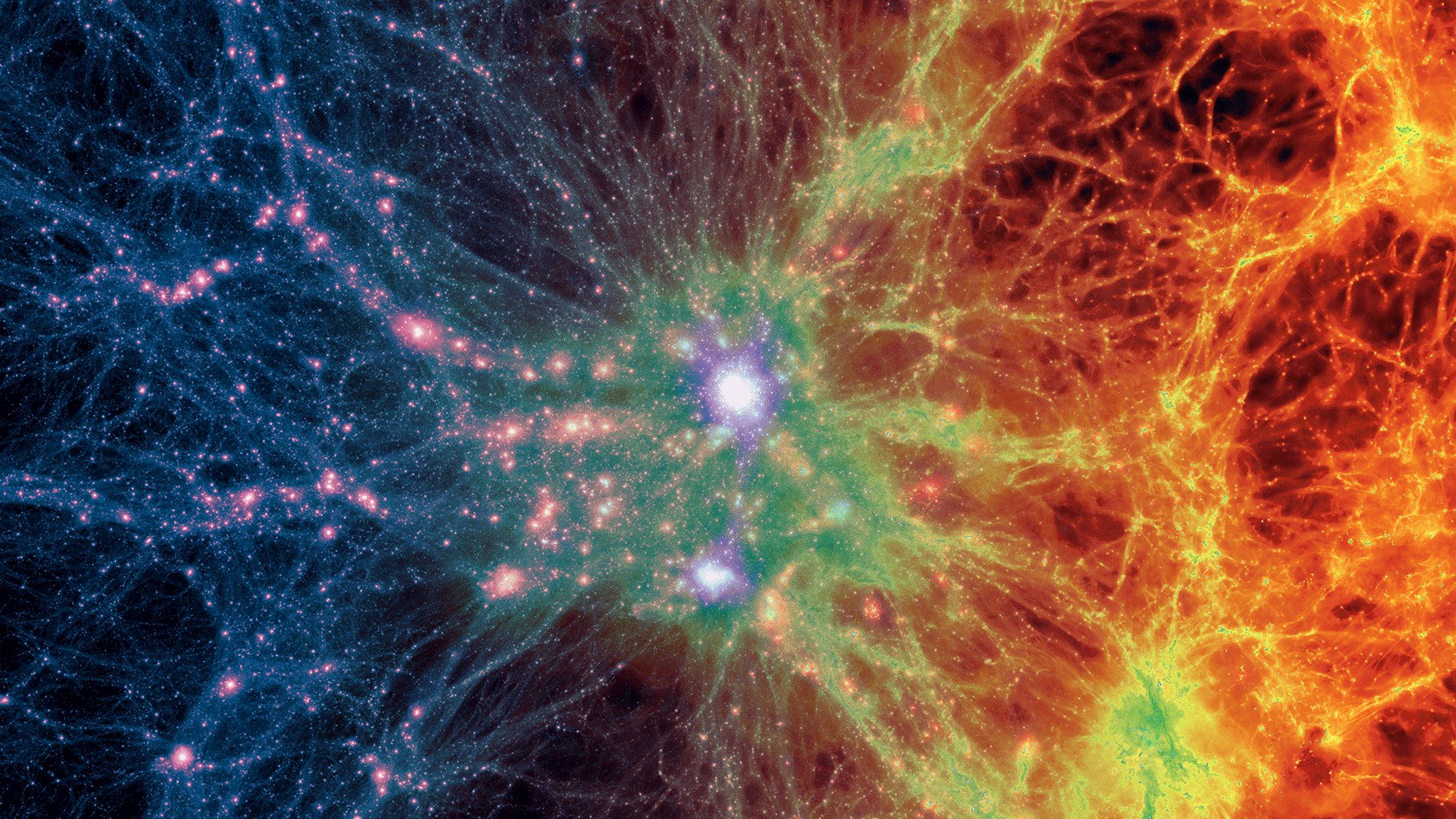 Historic search for 'huge missing piece' of the universe turns up negative — but reveals new secrets of particle physics
 Today's biggest science news: Japan earthquake tsunami | Kilauea lava fountains | Northern Lights forecast
 The 'hobbits' may have died out when drought forced them to compete with modern humans, new research suggests
 Unusual, 1,400-year-old cube-shaped human skull unearthed in Mexico
 Lost Indigenous settlements described by Jamestown colonist John Smith finally found
LATEST ARTICLES
Lost Indigenous settlements described by Jamestown colonist John Smith finally found
LATEST ARTICLES- 1Glue strong enough to tow a car made from used cooking oil
- 2Historic search for 'huge missing piece' of the universe turns up negative — but reveals new secrets of particle physics
- 3Today's biggest science news: Japan earthquake tsunami | Kilauea lava fountains | Northern Lights forecast
- 4Ash Pendant: The only known depiction of a pregnant Viking woman
- 5The 'hobbits' may have died out when drought forced them to compete with modern humans, new research suggests