- Archaeology
- Vikings
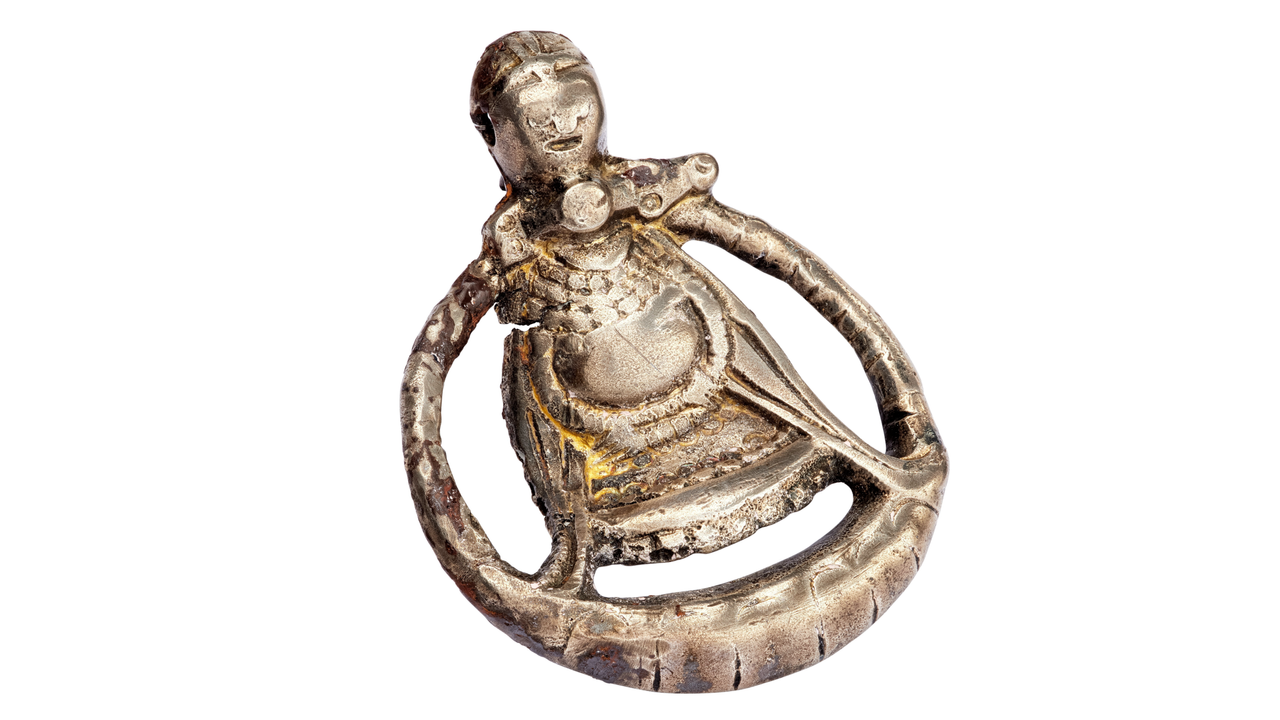
The Ash Pendant was discovered in a Viking Age burial mound in Sweden and may have been used by a female shaman.
0 Comments Join the conversationWhen you purchase through links on our site, we may earn an affiliate commission. Here’s how it works.
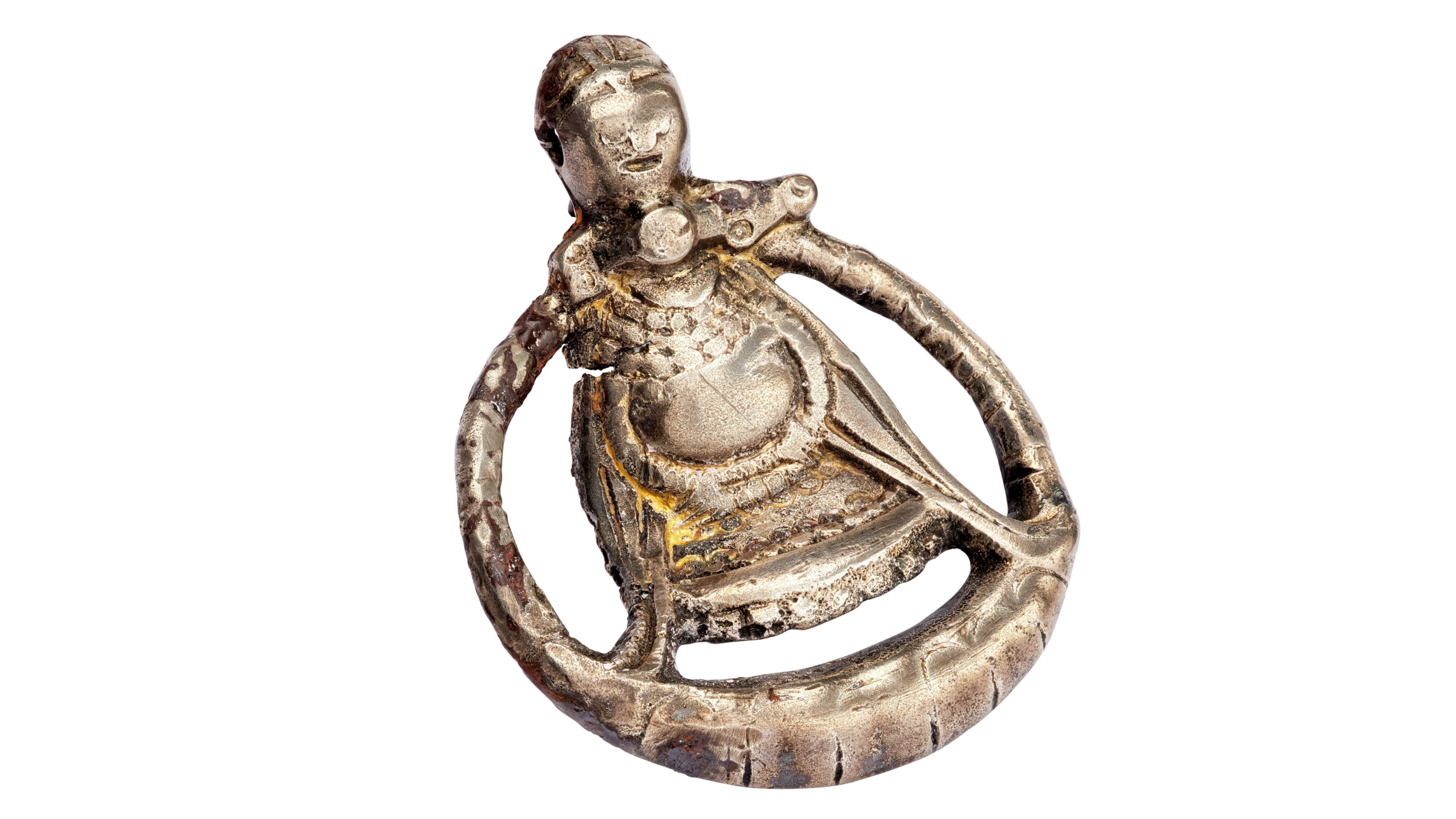 The Ash Pendant is a round, silver Viking Age accessory depicting a pregnant woman.
(Image credit: Ola Myrin, Swedish History Museum (CC BY 4.0))
QUICK FACTS
The Ash Pendant is a round, silver Viking Age accessory depicting a pregnant woman.
(Image credit: Ola Myrin, Swedish History Museum (CC BY 4.0))
QUICK FACTSName: Ash Pendant
What it is: A silver pendant with a female figure
Where it is from: Aska hamlet, in southern Sweden
When it was made: Circa 800 to 975
This round, silver pendant was found in a 10th-century elite woman's burial in Sweden in 1920 and is the only known depiction of a pregnant Viking.
The pendant was discovered by Swedish archaeologist T.J. Arne in his 1920 excavation of several burial mounds at the site of Aska. Dozens of artifacts were found in the grave, including eight other pendants, four silver rings, a bone game board and an Islamic silver coin. Based on the presence of rivets and nails, the excavators suspected the woman was buried in a wooden casket that decomposed over time, and her bones suggest she was a young or middle-aged adult. It's unknown if she was pregnant or giving birth when she died.
You may like-
 Roos Carr figures: Creepy 2,600-year-old carvings with 'removable genitalia' and eyes that may have symbolized Odin's soothsayer powers
-
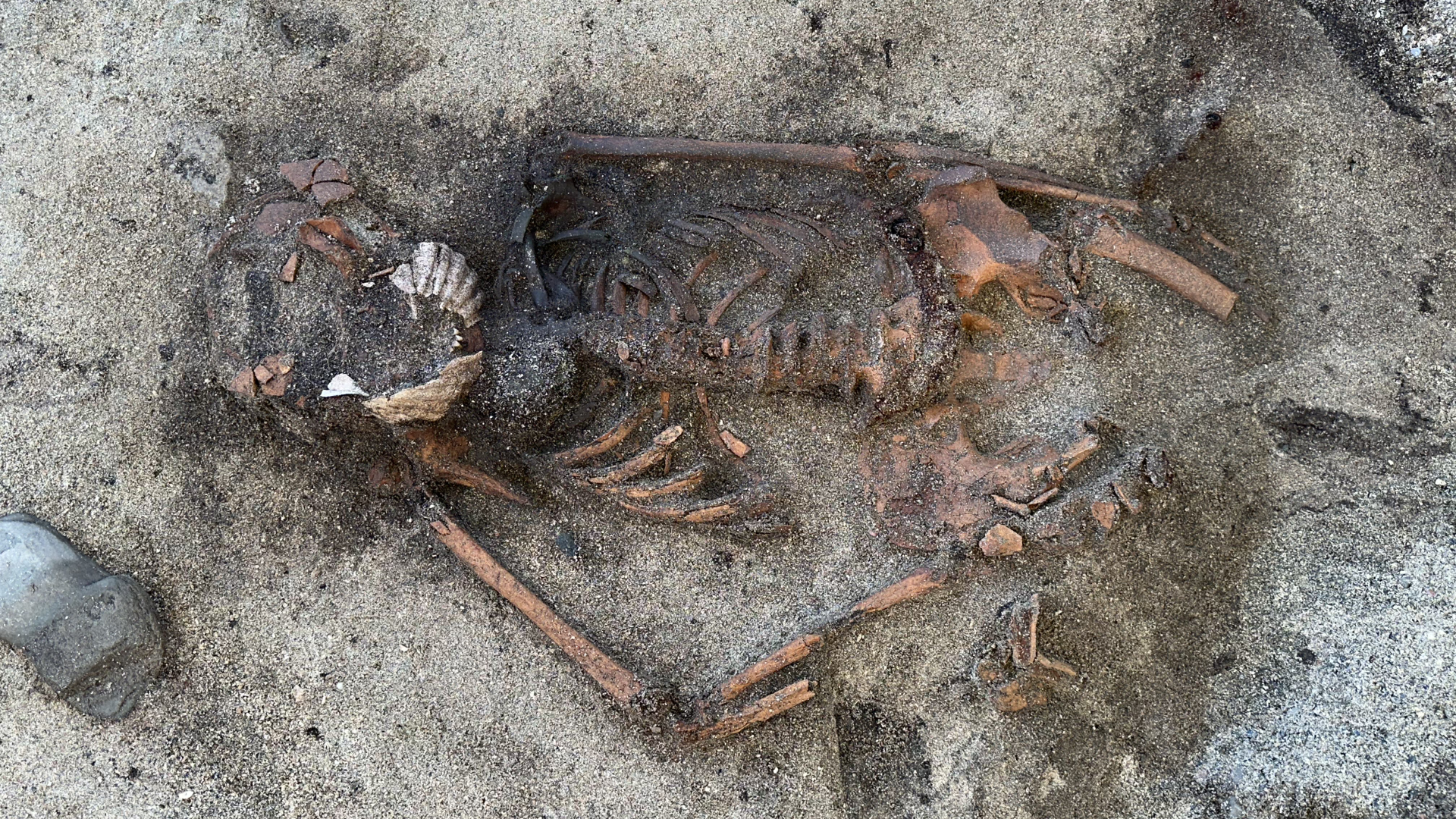
 Viking Age woman found buried with scallop shells on her mouth, and archaeologists are mystified
-
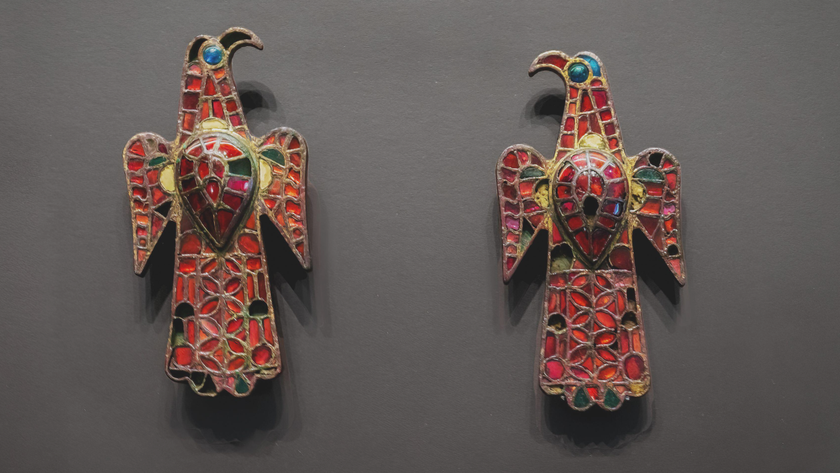 Eagle brooches: 1,500-year-old pins filled with dazzling gems and glass — and worn by powerful Visigoth women
There is some disagreement about what the unique Ash Pendant may signify about the deceased Viking woman.
According to the Swedish History Museum, the pendant may depict the Norse goddess Freyja, who was associated with pregnancy and childbirth. Freyja wore a special necklace called the Brísingamen, the descriptions of which closely match the button clasp and rows of beads on the Ash Pendant. The pendant may therefore have been a talisman for the woman in the grave.
MORE ASTONISHING ARTIFACTS—Roman sun hat: A 'very rare' 1,600-year-old brimmed cap that may have shaded a Roman soldier from the Egyptian sun
—Pectoral with coins: 'One of the most intricate pieces of gold jewelry to survive from the mid-sixth century'
—Caergwrle Bowl: A 3,300-year-old stone-and-tin bowl with gold oars and 'protective eyes'
But the Aska site also features a large, flat-topped mound that might have been the foundation for a "royal hall," according to archaeologist Martin Rundkvist, meaning the people buried in the graves were "petty royalty." They appear to have passed down the silver pendants, including the Ash Pendant, as heirlooms over several generations.
Given the range of artifacts discovered in the woman's grave, including a wolf-headed iron staff and the series of heirloom pendants, the woman may have held a prominent role as a practitioner of magic or ritual, archaeologist Neil Price has argued.
Sign up for the Live Science daily newsletter nowContact me with news and offers from other Future brandsReceive email from us on behalf of our trusted partners or sponsorsBy submitting your information you agree to the Terms & Conditions and Privacy Policy and are aged 16 or over.And because later graves in the Aska area lack similar ritual objects, according to a study by archaeologist Hide Gustafsson, this may mean that the Viking woman buried in the mound was the last pagan practitioner of her kind before the introduction of Christianity to the region, and that her Freyja pendant was buried with her.
For more stunning archaeological discoveries, check out our Astonishing Artifacts archives.
TOPICS astonishing artifacts women gender Kristina KillgroveSocial Links NavigationStaff writer
Kristina Killgrove is a staff writer at Live Science with a focus on archaeology and paleoanthropology news. Her articles have also appeared in venues such as Forbes, Smithsonian, and Mental Floss. Kristina holds a Ph.D. in biological anthropology and an M.A. in classical archaeology from the University of North Carolina, as well as a B.A. in Latin from the University of Virginia, and she was formerly a university professor and researcher. She has received awards from the Society for American Archaeology and the American Anthropological Association for her science writing.
You must confirm your public display name before commenting
Please logout and then login again, you will then be prompted to enter your display name.
Logout Read more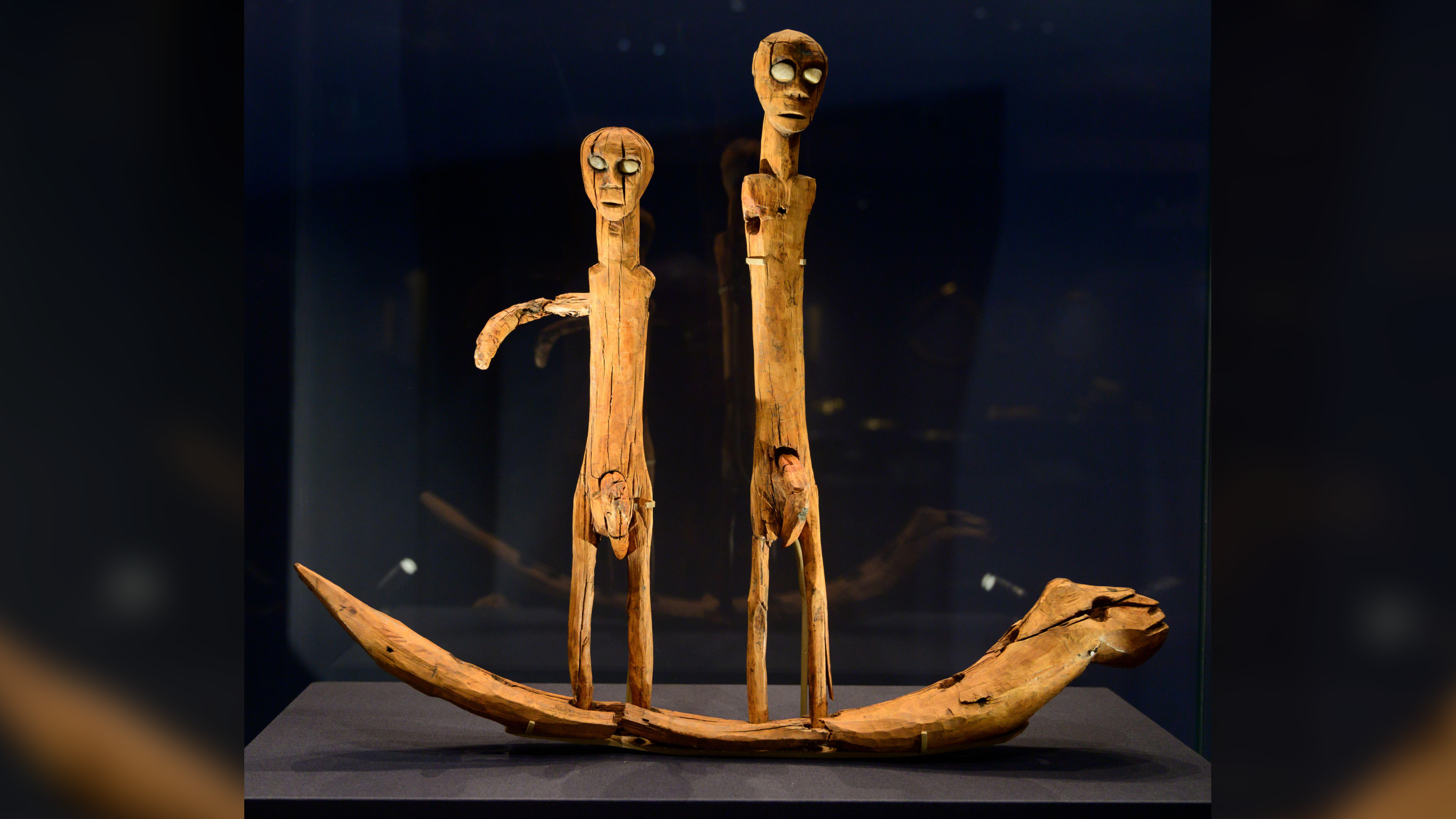 Roos Carr figures: Creepy 2,600-year-old carvings with 'removable genitalia' and eyes that may have symbolized Odin's soothsayer powers
 Viking Age woman found buried with scallop shells on her mouth, and archaeologists are mystified
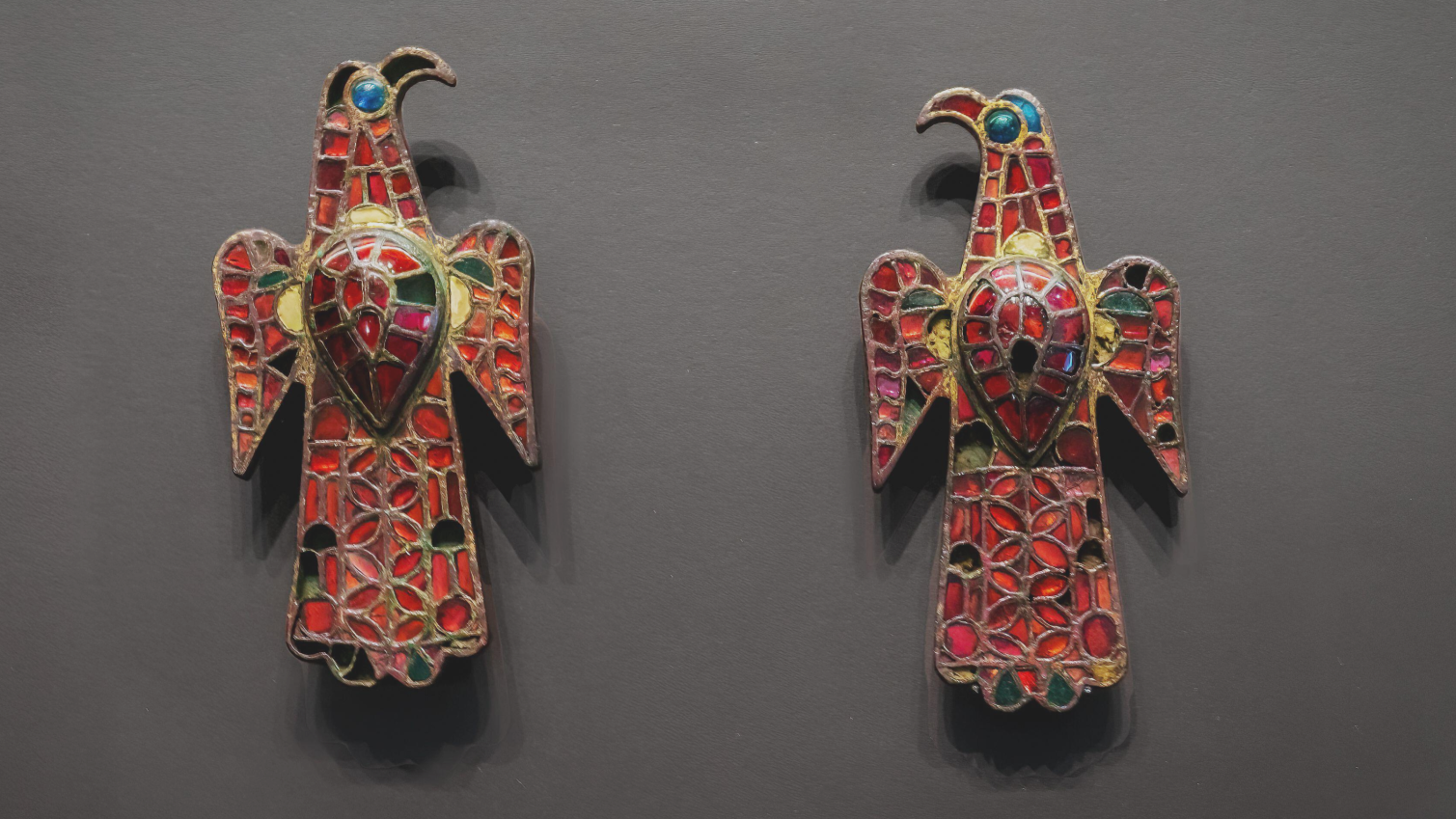 Eagle brooches: 1,500-year-old pins filled with dazzling gems and glass — and worn by powerful Visigoth women
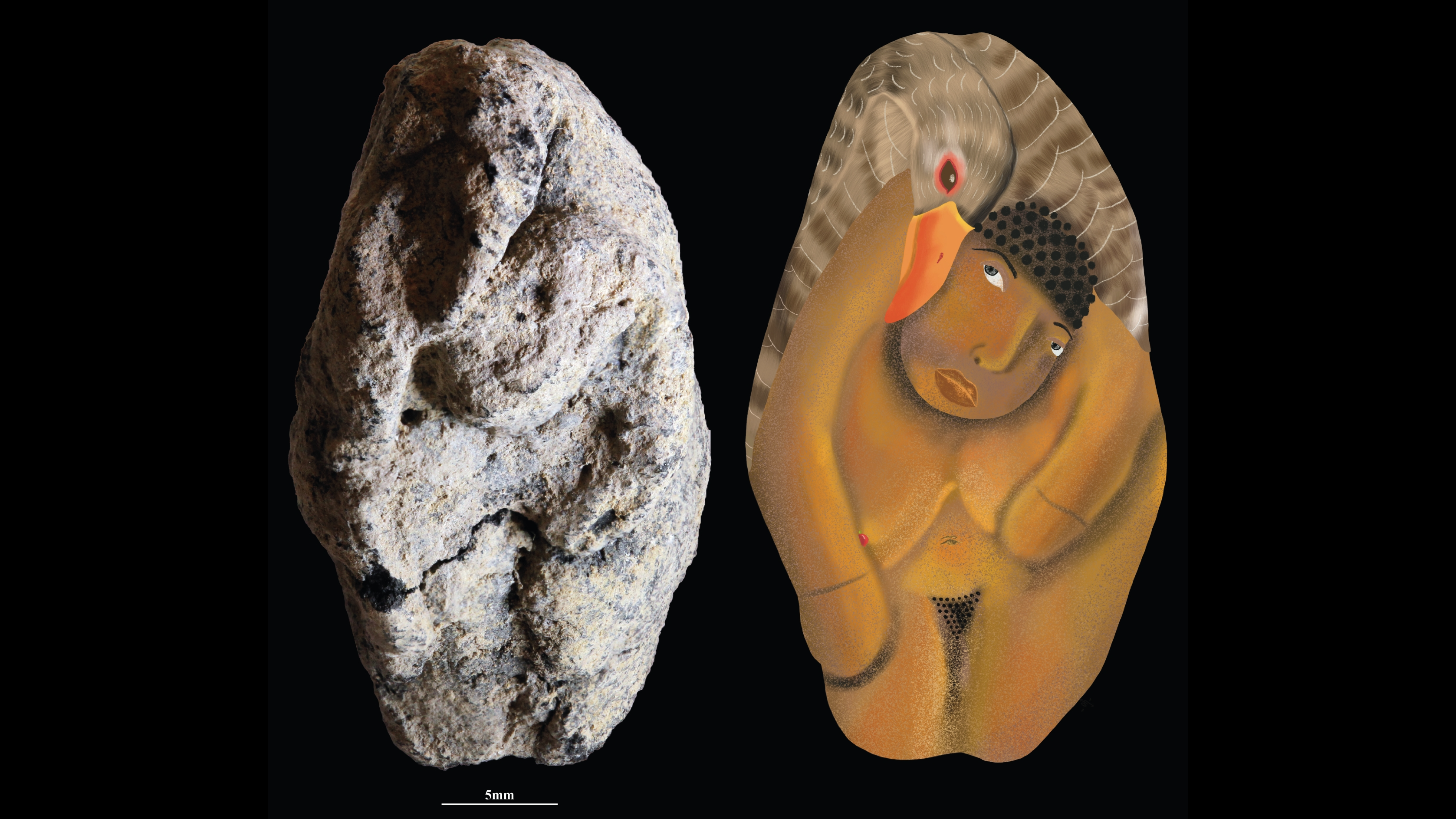 12,000-year-old figurine of goose mating with naked woman discovered in Israel
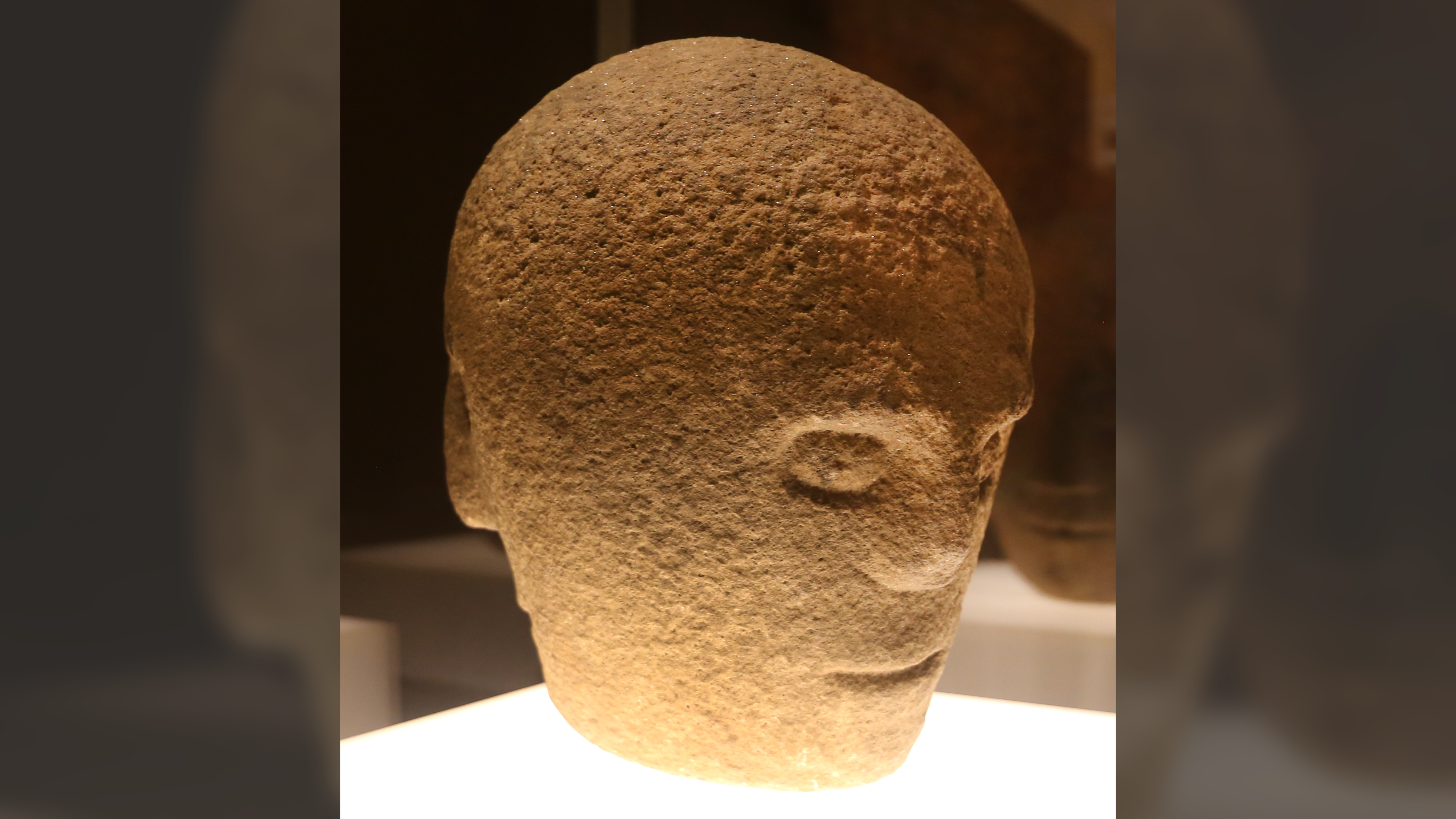 Corleck Head: A spooky three-faced Celtic sculpture found on the 'Hill of Death' in Ireland — and it may have been connected to human sacrifice 1,900 years ago
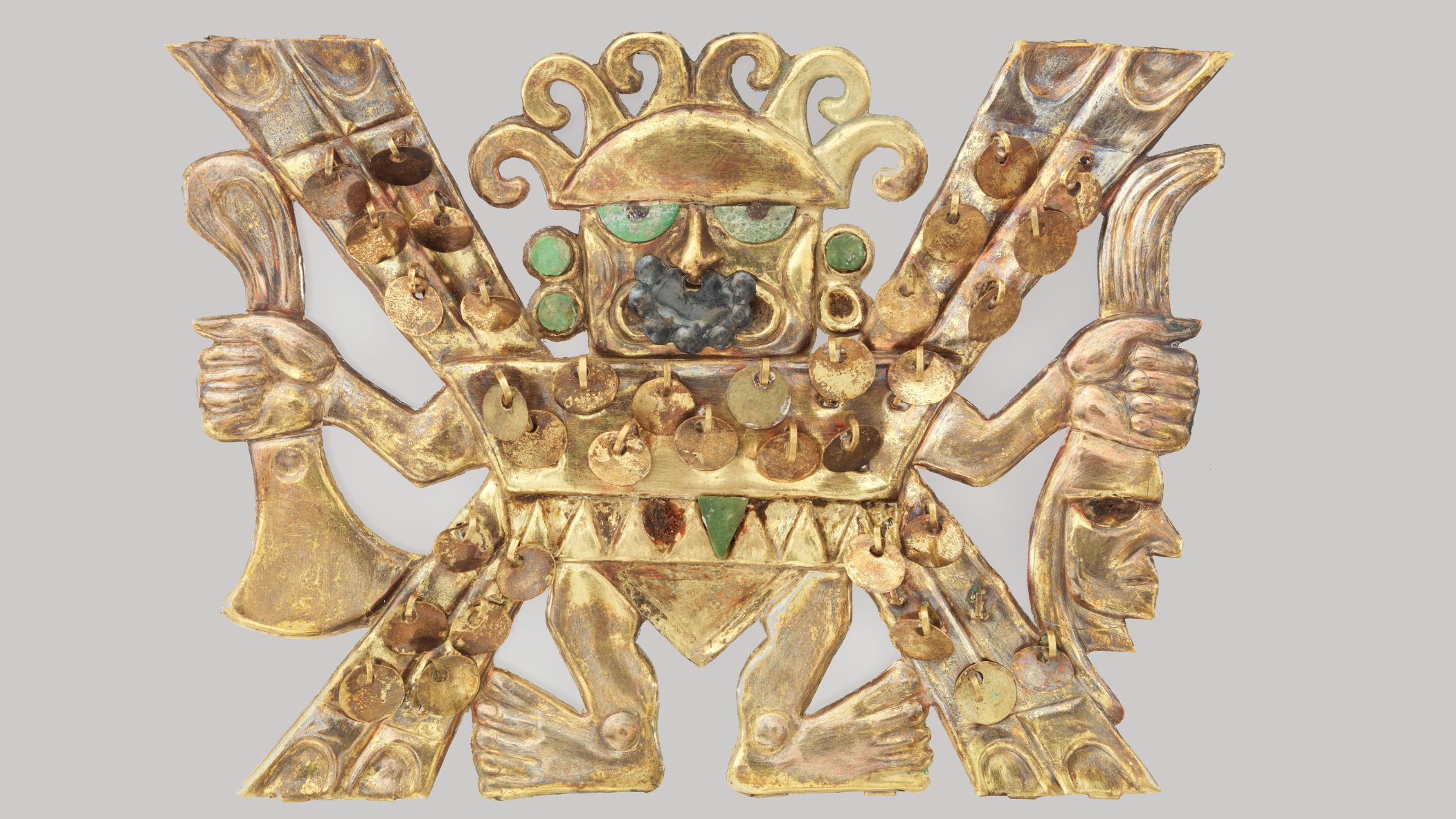 Decapitator nose ornament: 1,500-year-old gold jewelry depicting a bloodthirsty South American god
Latest in Vikings
Decapitator nose ornament: 1,500-year-old gold jewelry depicting a bloodthirsty South American god
Latest in Vikings
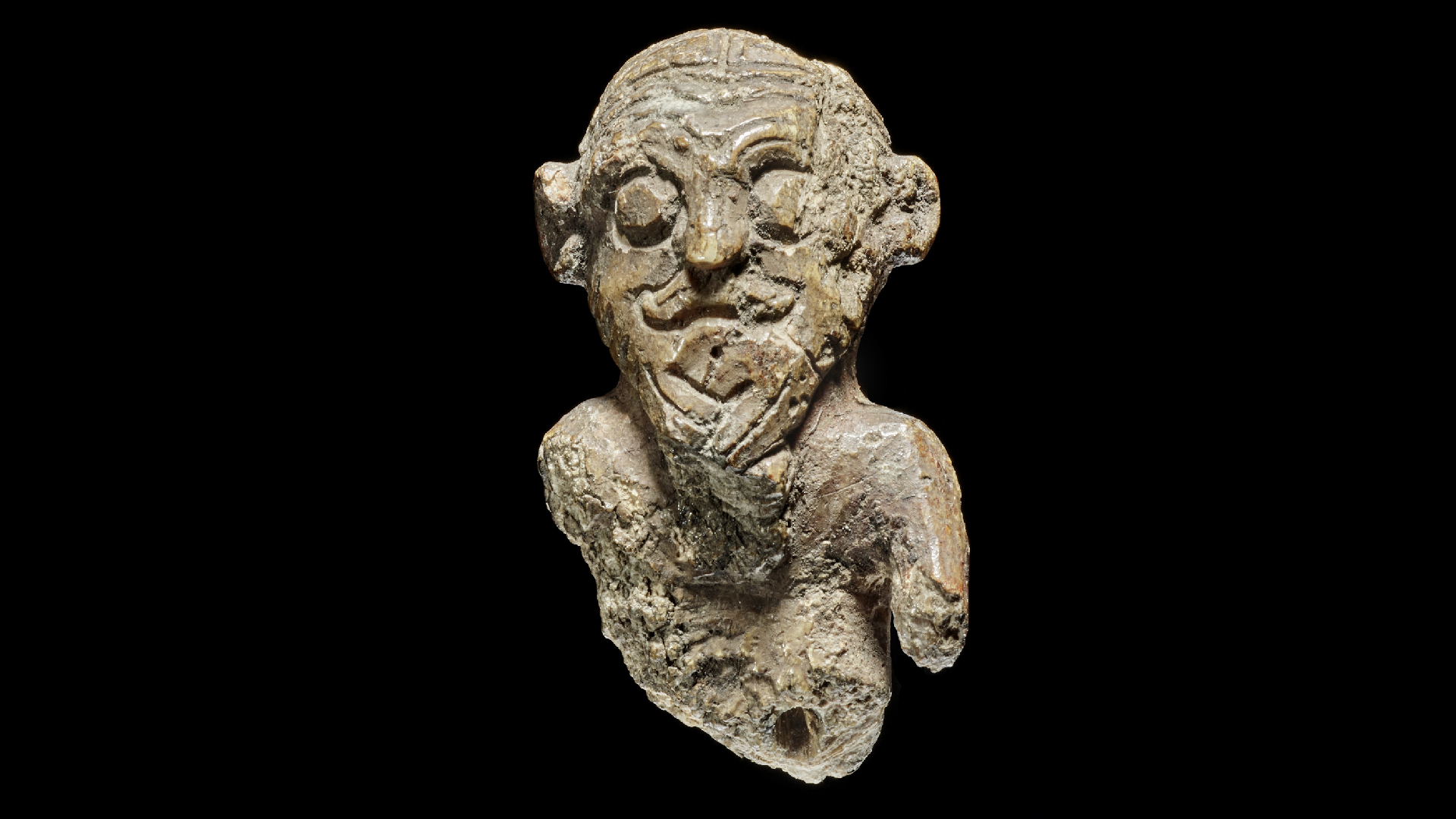 1,000-year-old 'king' game piece with a distinctive hairstyle is 'as close as we will ever get to a portrait of a Viking'
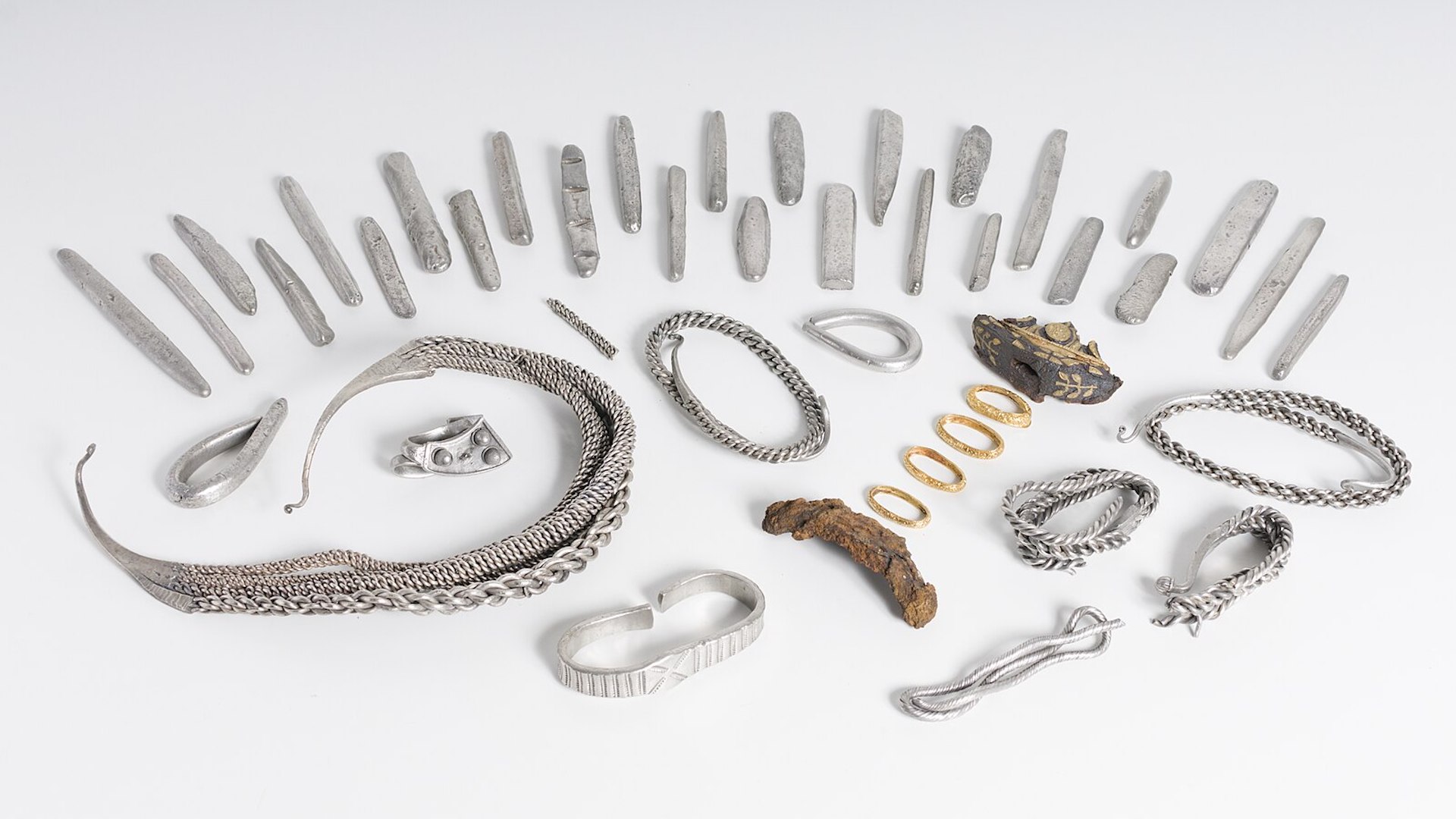 1,100-year-old Viking hoard reveals raiding wealthy only 'part of the picture' — they traded with the Middle East too
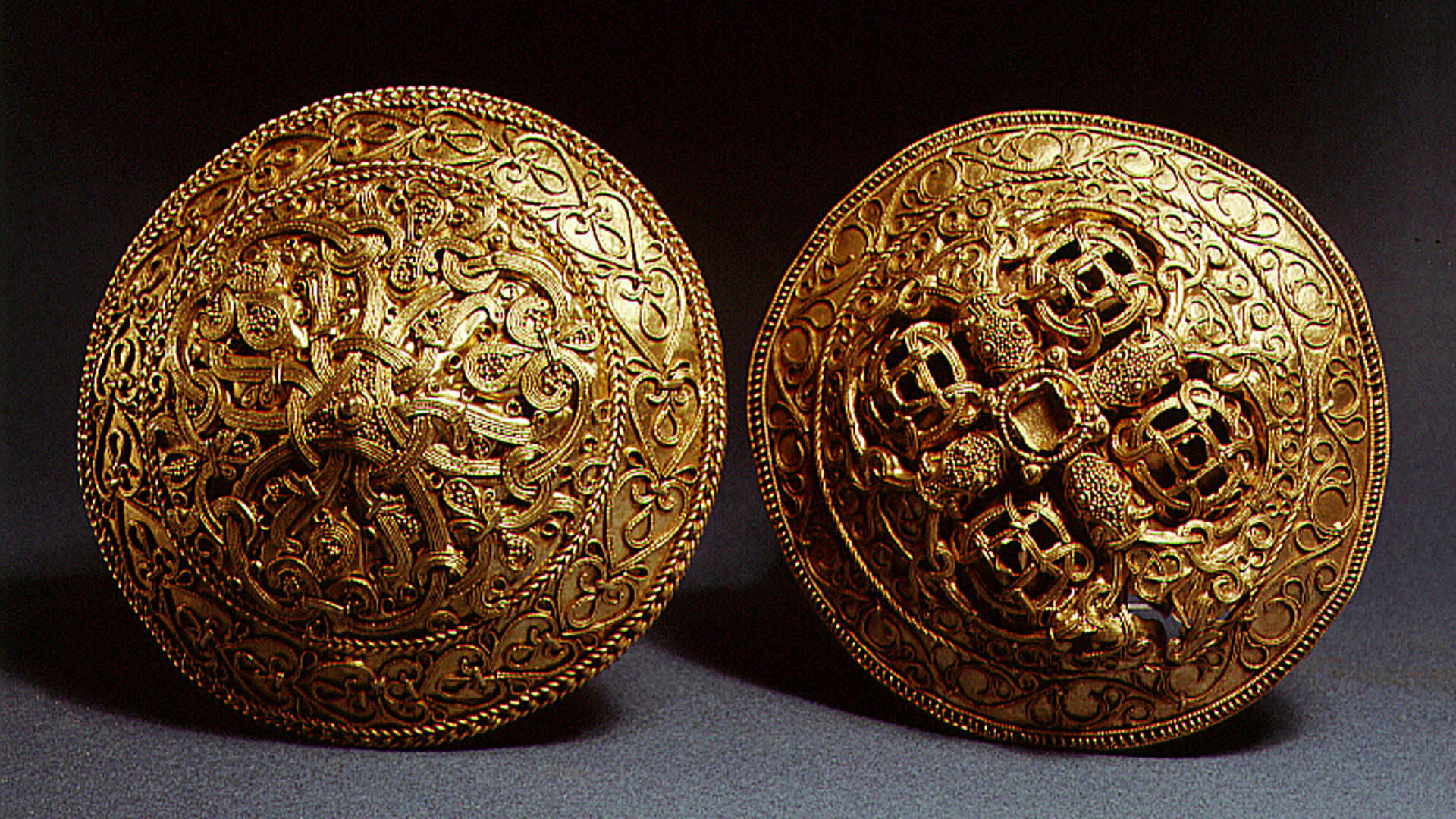 Hornelund Brooches: Viking age gold ornaments mysteriously buried in Denmark 1,000 years ago
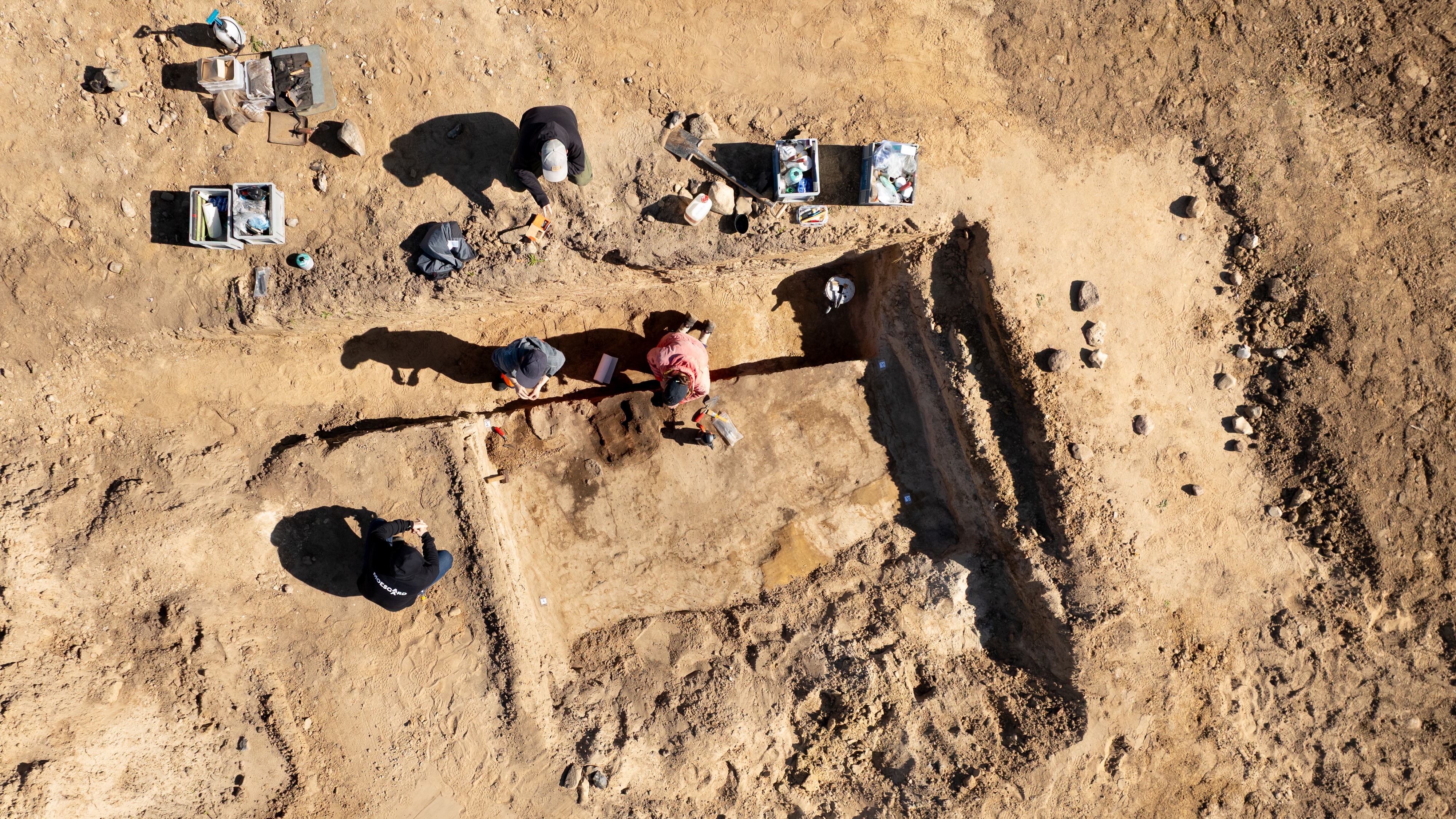 Viking Age burial of chieftain with 'enormous power' found in Denmark — and he may have served Harald Bluetooth
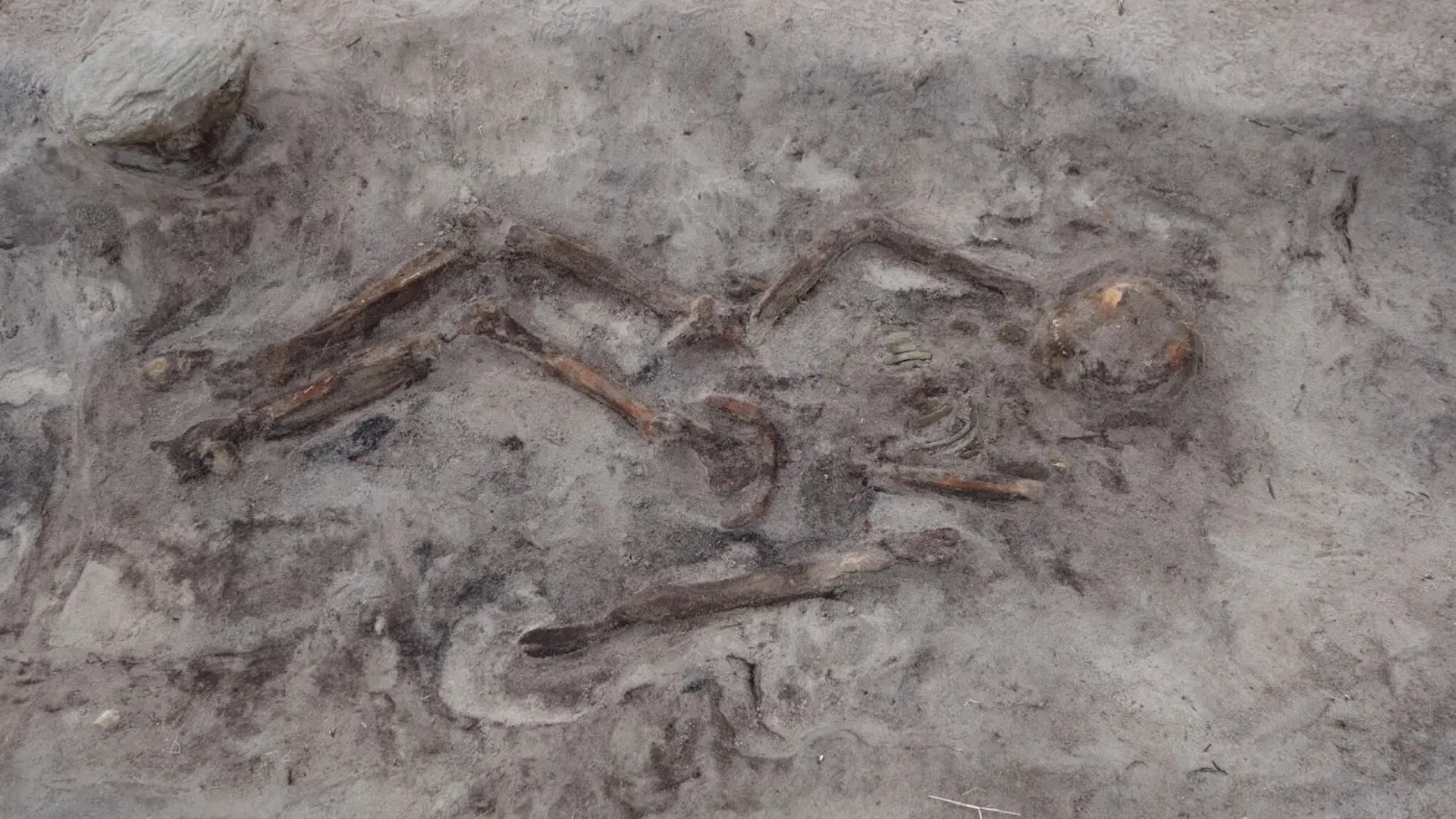 Viking Age woman was buried with her dog in an elaborate 'boat grave,' excavations reveal
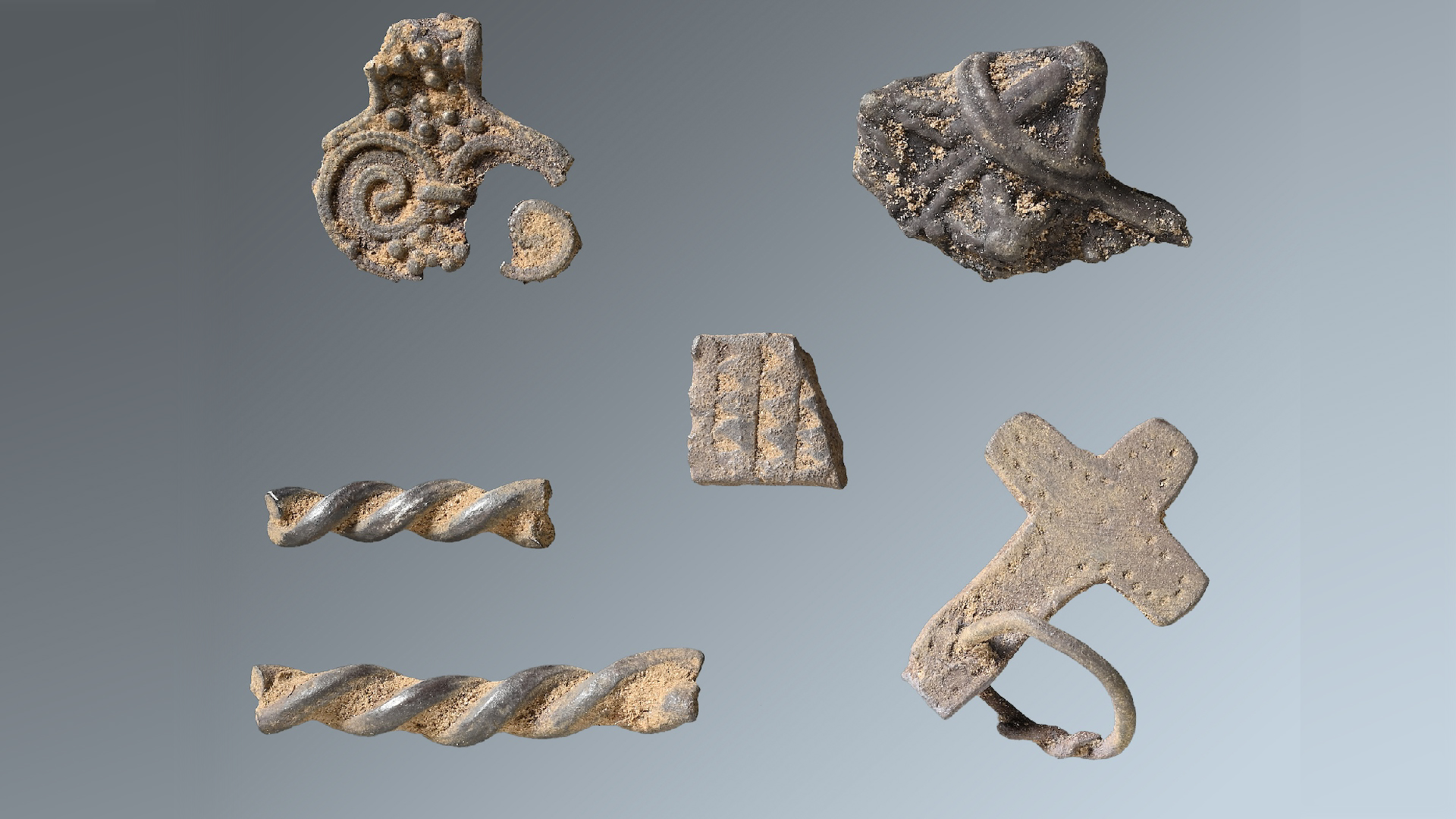 1,000-year-old Viking Age hoard has a pendant that may be a cross or Thor's hammer
Latest in Features
Ash Pendant: The only known depiction of a pregnant Viking woman
1,000-year-old Viking Age hoard has a pendant that may be a cross or Thor's hammer
Latest in Features
Ash Pendant: The only known depiction of a pregnant Viking woman
 Science history: Female chemist initially barred from research helps develop drug for remarkable-but-short-lived recovery in children with leukemia — Dec. 6, 1954
 Rare 'sunglint' transforms Alabama River into a giant 'golden dragon'
 What if Antony and Cleopatra had defeated Octavian?
 What was the loudest sound ever recorded?
 A woman got a rare parasitic lung infection after eating raw frogs
LATEST ARTICLES
A woman got a rare parasitic lung infection after eating raw frogs
LATEST ARTICLES 1Is the 'Star of Bethlehem' really a planet? A bright visitor this month may hold a clue.
- 2Rare 'sunglint' transforms Alabama River into a giant 'golden dragon' — Earth from space
- 3Glue strong enough to tow a car made from used cooking oil
- 4Historic search for 'huge missing piece' of the universe turns up negative — but reveals new secrets of particle physics
- 5Today's biggest science news: Japan earthquake | Robot kicks CEO | Northern Lights forecast