- Chemistry
Chemists used waste cooking oil to create a sustainable, super-sticky adhesive that's strong enough to hold up hundreds of pounds of weight.
3 Comments Join the conversationWhen you purchase through links on our site, we may earn an affiliate commission. Here’s how it works.
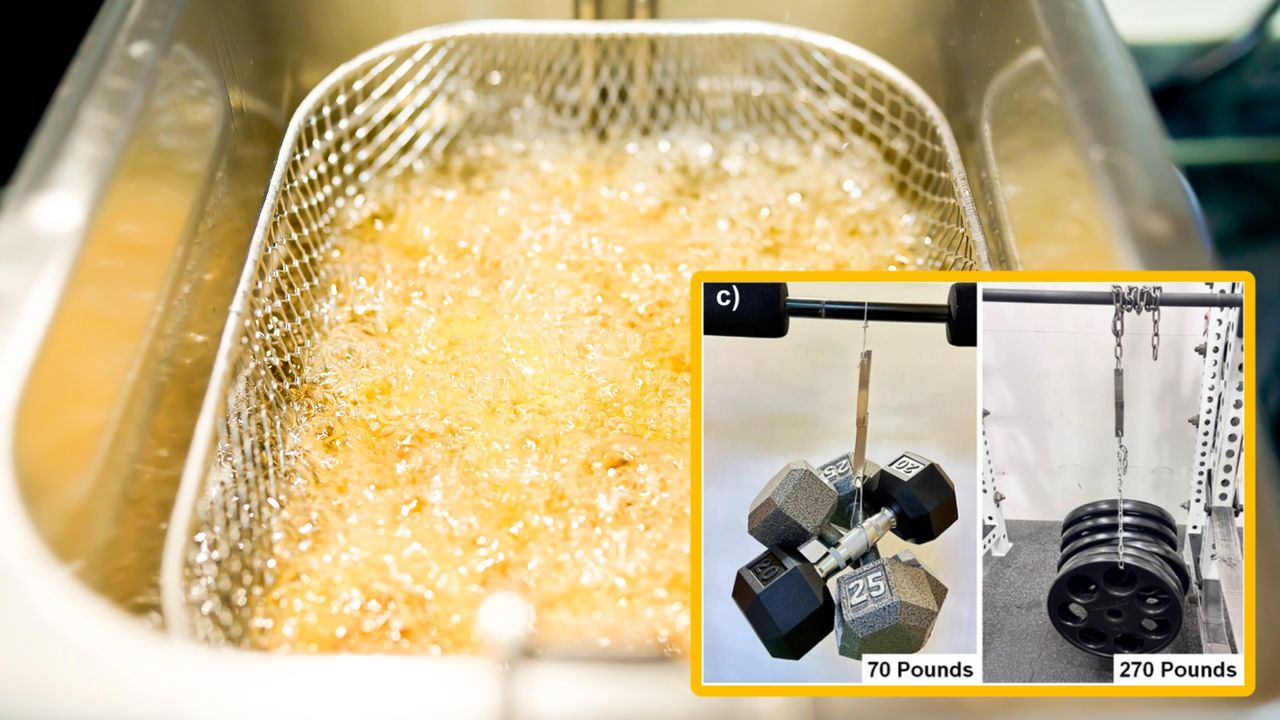
 A newly discovered polymer made from waste cooking oil is strong enough to hold up hundreds of pounds of weight, new research finds.
(Image credit: Getty Images (background) / Mahadas et al. (inset))
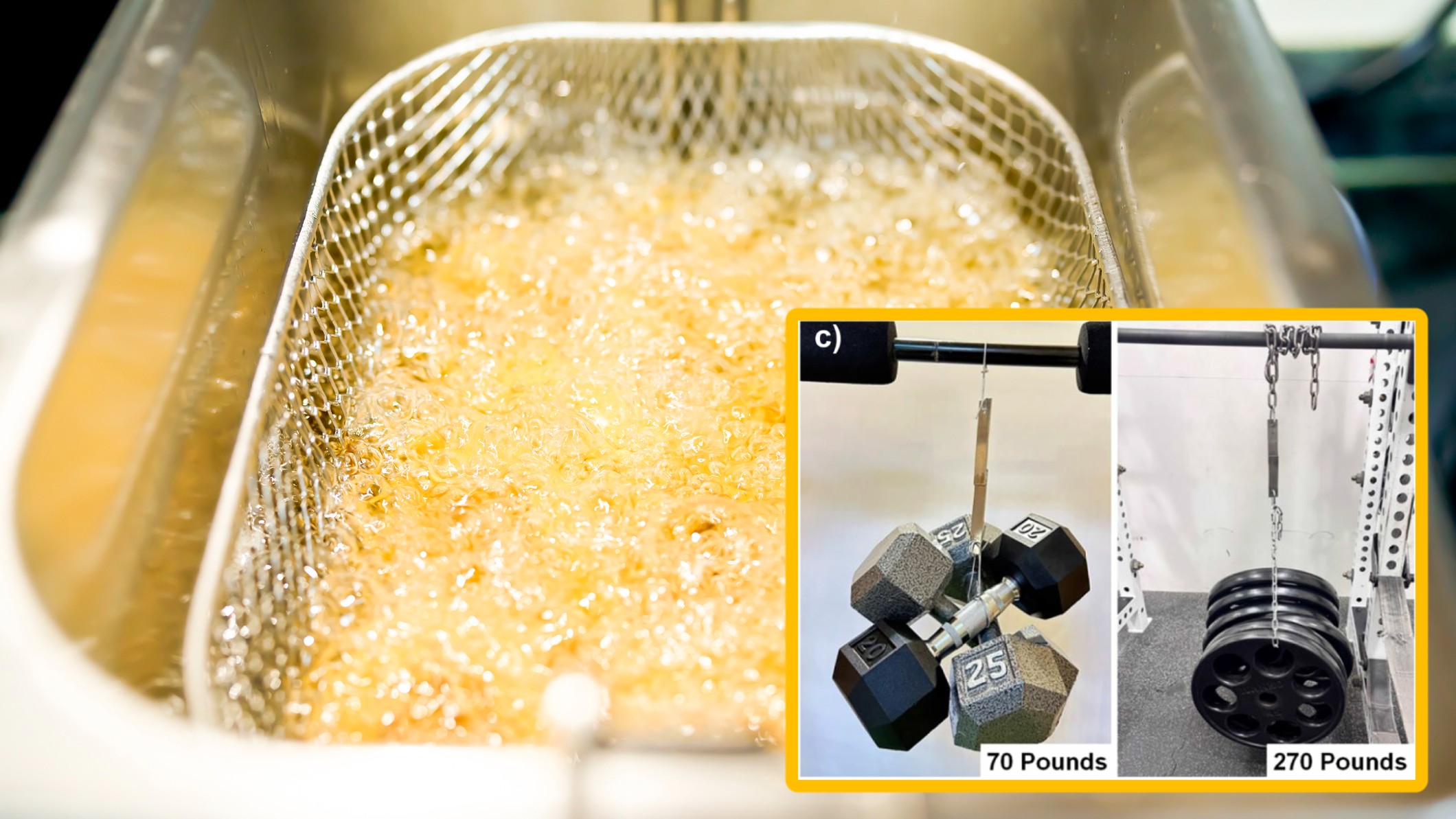
A newly discovered polymer made from waste cooking oil is strong enough to hold up hundreds of pounds of weight, new research finds.
(Image credit: Getty Images (background) / Mahadas et al. (inset))
Scientists have converted waste cooking oil into various recyclable plastics with exceptional strength — and some were even durable enough to tow a car.
Turning nonedible waste into useful polymers is a sustainable way to create new materials, the researchers said in a new study published Nov. 28 in the Journal of the American Chemical Society.
You may like-
 Scientists invent way to use E. coli to create and dye rainbow-colored fabric in the lab
-
 Self-healing 'concrete batteries' now 10 times better — they could one day power cities, scientists say
-
 China's new 'solar-power window coating' can capture energy and power household devices

The researchers tested the polymer's adhesive strength by sticking two stainless-steel plates together. The plates remained tightly glued, even when up to 270 pounds (123 kilograms) of weight was attached. Towing a four-door sedan on a slightly uphill slope with these glued steel pieces also proved no trouble. This makes these polymers equal to or stronger than the commercially available adhesives that the team also tested.
related stories—Scientists break down cheap plastic using the air — and turn it into something far more valuable
—Are biodegradable plastics really worth the hype?
—Will we ever be able to stop using plastic?
These properties make these adhesives "ideal for applications in laminates and glues used in packaging, automotive components, medical devices, and electronics," the researchers wrote.
The polyester plastics were easily recycled into their original components and later remade back into plastic. Several cycles of recycling showed little impact on the plastics' properties. Some plastics could also be recycled along with other common plastics, like high-density polyethylene and polypropylene.
"This work highlights the potential of nonedible biomass waste as a renewable feedstock for…environmentally friendly alternatives to petroleum-based plastics," the researchers wrote.
 Mason WakleyLive Science contributor
Mason Wakley is a freelance science journalist from the UK, most interested in chemistry, materials and environmental science. He was a 2025 Chemistry World intern. Mason has a masters in chemistry from the University of Oxford.
You must confirm your public display name before commenting
Please logout and then login again, you will then be prompted to enter your display name.
Logout Read more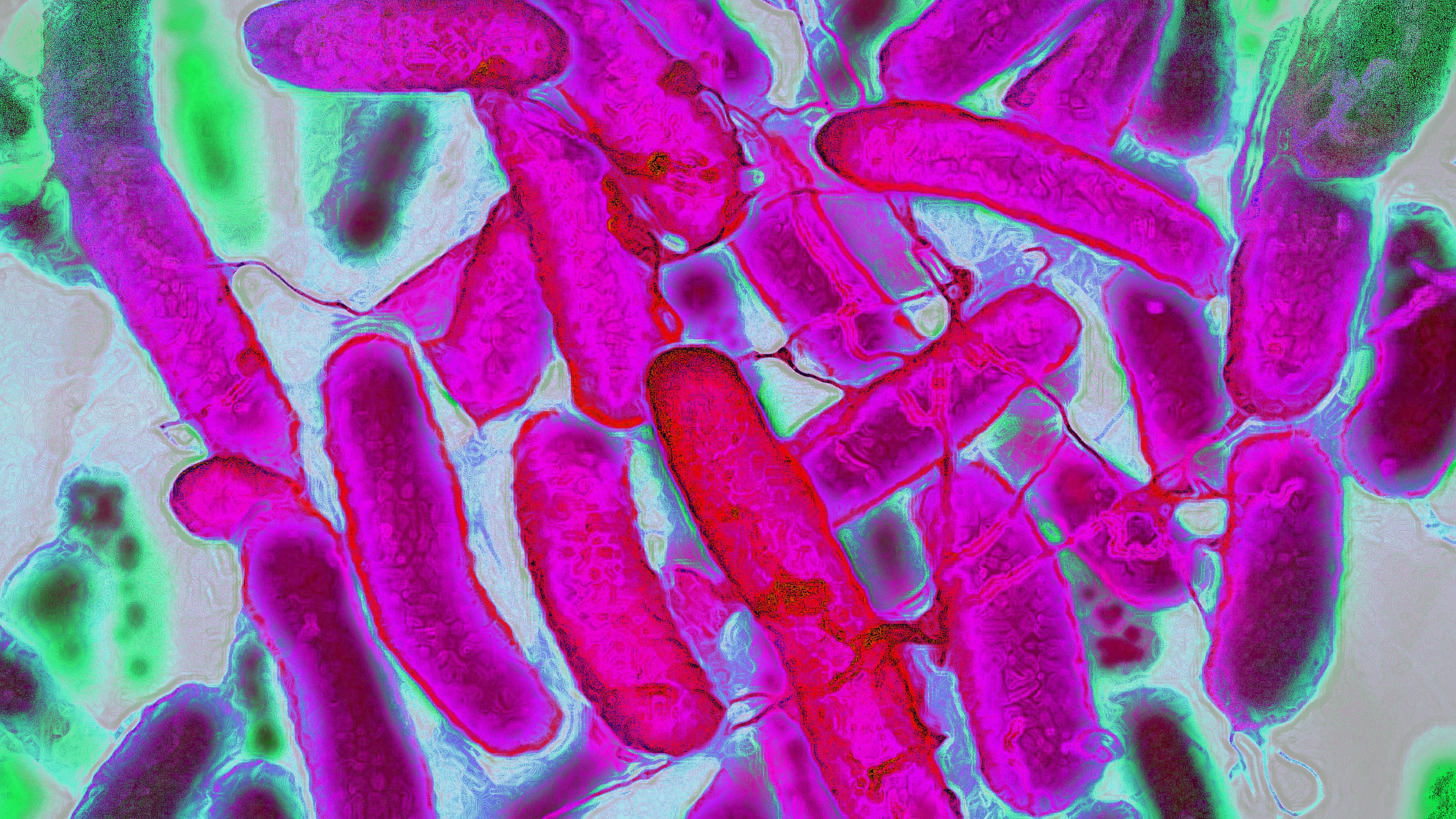 Scientists invent way to use E. coli to create and dye rainbow-colored fabric in the lab
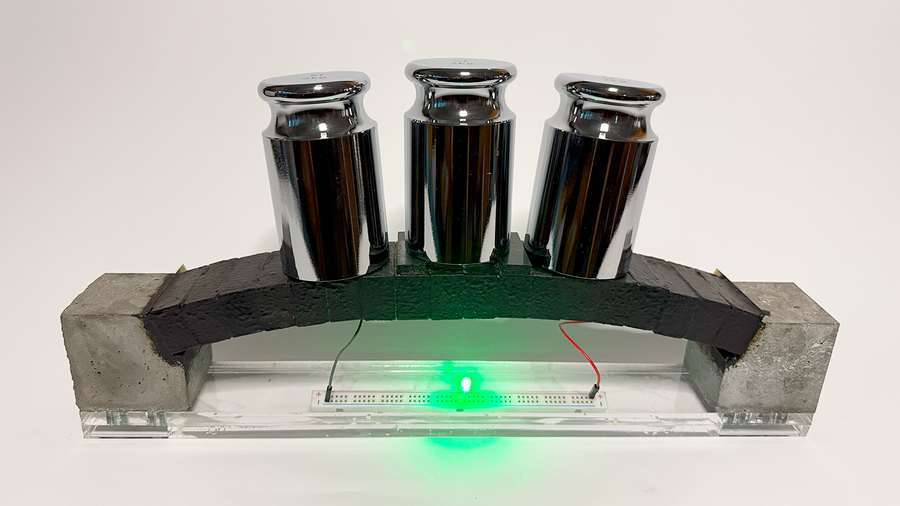 Self-healing 'concrete batteries' now 10 times better — they could one day power cities, scientists say
 China's new 'solar-power window coating' can capture energy and power household devices
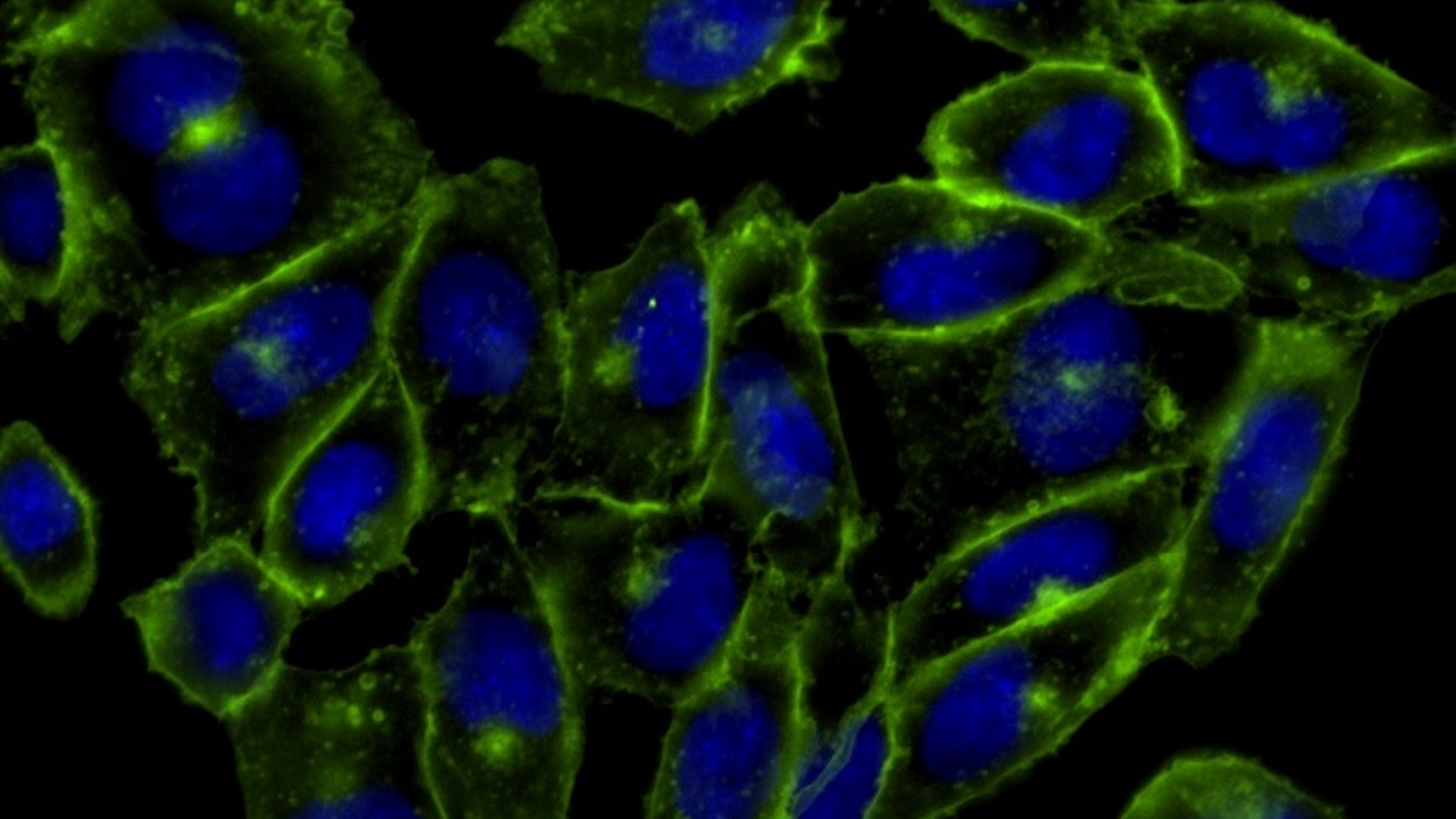 Science history: Scientists use 'click chemistry' to watch molecules in living organisms — Oct. 23, 2007
 On Saturn's largest moon, water and oil would mix — opening the door to exotic chemistry in our solar system
 Humanoid robots could lift 4,000 times their own weight thanks to breakthrough 'artificial muscle'
Latest in Chemistry
Humanoid robots could lift 4,000 times their own weight thanks to breakthrough 'artificial muscle'
Latest in Chemistry
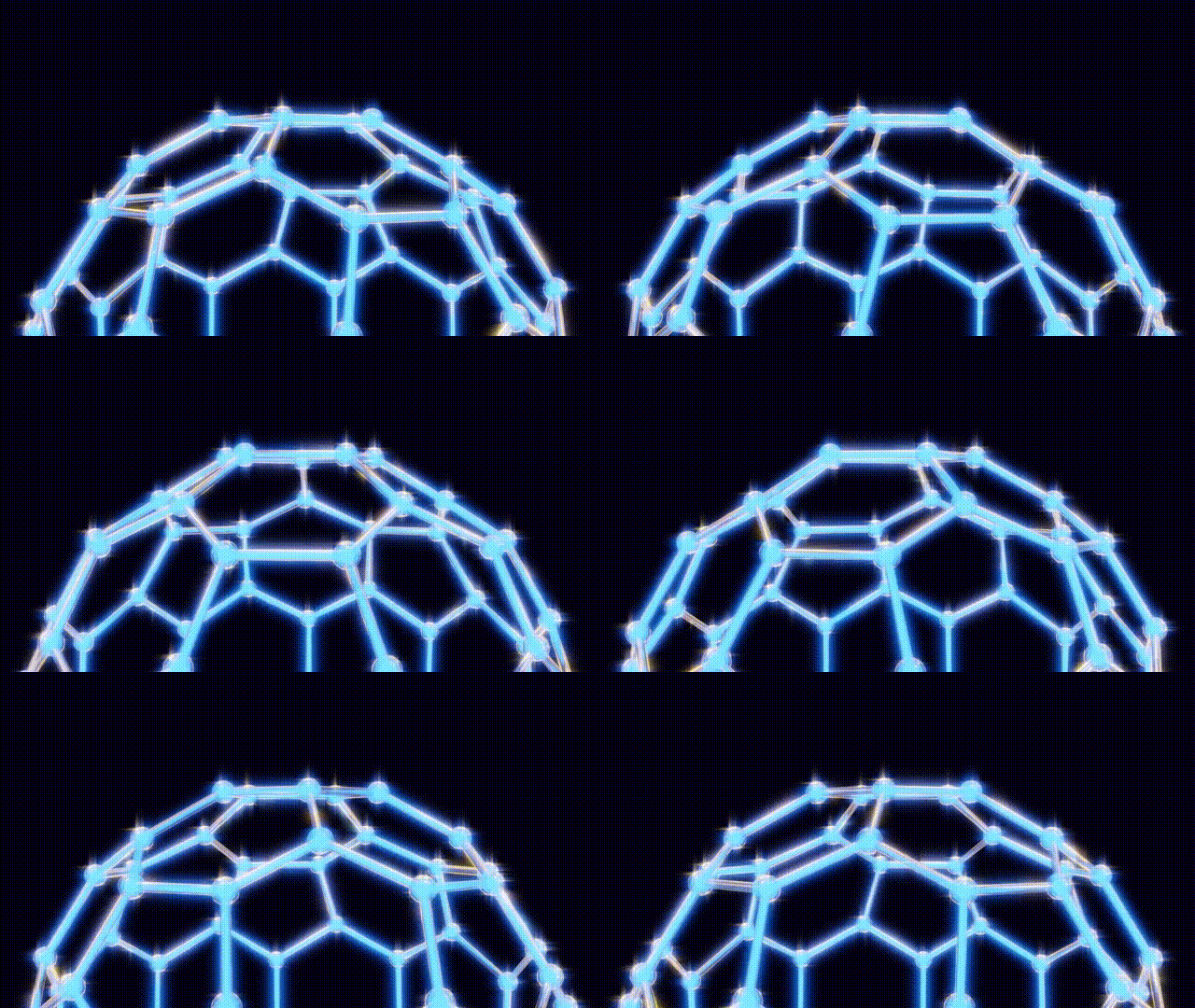 Science history: Chemists discover buckyballs — the most perfect molecules in existence — Nov. 14, 1985
Scientists invent way to use E. coli to create and dye rainbow-colored fabric in the lab
Science history: Chemists discover buckyballs — the most perfect molecules in existence — Nov. 14, 1985
Scientists invent way to use E. coli to create and dye rainbow-colored fabric in the lab
 Why does boiling water have bubbles, except in a microwave?
Science history: Scientists use 'click chemistry' to watch molecules in living organisms — Oct. 23, 2007
Why does boiling water have bubbles, except in a microwave?
Science history: Scientists use 'click chemistry' to watch molecules in living organisms — Oct. 23, 2007
 'Harry Potter' materials land three scientists Nobel Prize in chemistry
 Why do avocados turn brown so quickly — and are they OK to eat at that point?
Latest in News
Why do avocados turn brown so quickly — and are they OK to eat at that point?
Latest in News
 This bright star will soon die in a nuclear explosion — and could be visible in Earth's daytime skies
 The Arab region — a swath from Morocco to the United Arab Emirates — just had its hottest year on record
 Gray hair may have evolved as a protection against cancer, study hints
 Widespread cold virus you've never heard of may play key role in bladder cancer
 How to find the 'Christmas Star' — and what it really is
Glue strong enough to tow a car made from used cooking oil
LATEST ARTICLES
How to find the 'Christmas Star' — and what it really is
Glue strong enough to tow a car made from used cooking oil
LATEST ARTICLES- 1This bright star will soon die in a nuclear explosion — and could be visible in Earth's daytime skies
- 2The Arab region — a swath from Morocco to the United Arab Emirates — just had its hottest year on record
- 3Earth's crust hides enough 'gold' hydrogen to power the world for tens of thousands of years, emerging research suggests
- 4Widespread cold virus you've never heard of may play key role in bladder cancer
- 5Gray hair may have evolved as a protection against cancer, study hints