- Health
- Viruses, Infections & Disease
- Cancer
Scientists uncovered how childhood BK virus infections may set off cancer-causing mutations decades later: by activating a host immune system enzyme that attacks DNA.
0 Comments Join the conversationWhen you purchase through links on our site, we may earn an affiliate commission. Here’s how it works.
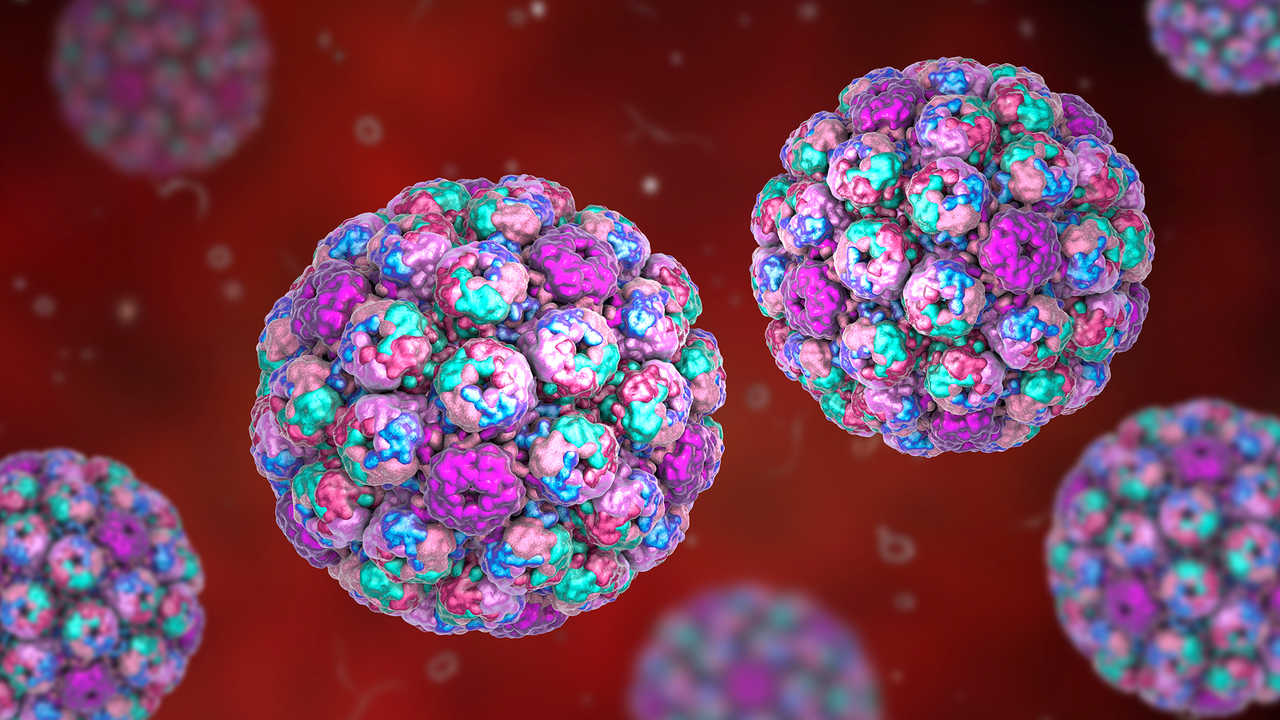
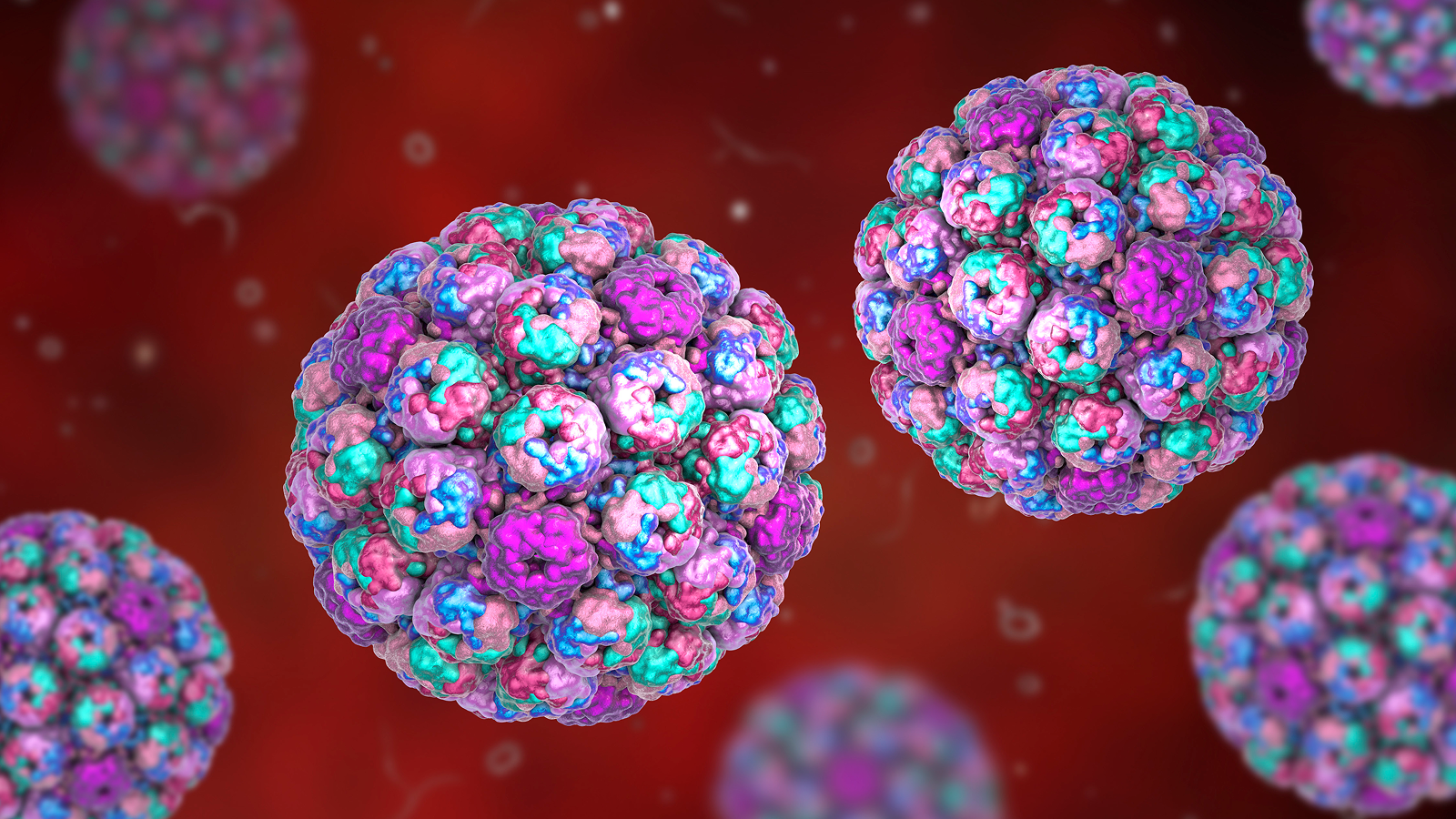 The BK virus, caught by most people in childhood, typically causes symptoms of the common cold. But if reactivated, it may raise the risk of bladder cancer, a study suggests.
(Image credit: KATERYNA KON/SCIENCE PHOTO LIBRARY via Getty Images)
The BK virus, caught by most people in childhood, typically causes symptoms of the common cold. But if reactivated, it may raise the risk of bladder cancer, a study suggests.
(Image credit: KATERYNA KON/SCIENCE PHOTO LIBRARY via Getty Images)
Scientists think a very common childhood infection may be linked to bladder cancer — and now, they're figuring out the chain reaction that connects the two diseases.
It's known that people who get kidney transplants are three times more likely to develop bladder cancer than the general population. Researchers have hypothesized that because transplant patients are immunosuppressed, dormant viruses lurking in the body are given the opportunity to reactivate.
You may like-
 COVID-19 mRNA vaccines can trigger the immune system to recognize and kill cancer, research finds
-
 'Russian nesting doll' virus hides inside a deadly fungus, making it even more dangerous to people
-
 High-fiber diet may 'rejuvenate' immune cells that fight cancer, study finds
In a study published Dec. 3 in the journal Science Advances, researchers showed that the virus can cause the type of DNA damage that is also seen in bladder cancer that occurs later in life. But instead of finding DNA mutations directly caused by the virus, the researchers found that the culprit was the body's own immune system.
"This is a nicely-done laboratory study to show a possible way that BKV could have a larger role in bladder cancer than previously thought," Dr. Patrick Moore, a tumor virology researcher at the University of Pittsburgh who was not involved in the study, told Live Science in an email.
Connecting the dots
There are several types of viral infections that can lead to cancer. Some viruses, such as HPV, hijack the host cells of the infected person and insert their viral genetic material into the human genome, which causes the host cell to become cancerous. However, in some cancers, like those originating in the bladder, no detectable virus is present —but nonetheless, there are genetic signs of a previous viral infection.
"The long-running narrative since the 1950s has been that smoking and industrial exposures are the big cause of bladder cancer," said senior study author Simon Baker, a cancer researcher at the University of York in the U.K. But the patterns of DNA mutation seen in bladder cancers are different from those resulting from chemical carcinogens.
Sign up for the Live Science daily newsletter nowContact me with news and offers from other Future brandsReceive email from us on behalf of our trusted partners or sponsorsBy submitting your information you agree to the Terms & Conditions and Privacy Policy and are aged 16 or over.Instead, the cancers bear mutational signatures known to be caused by a family of enzymes called APOBEC. Normally, these enzymes help form the body's first-line defense against viruses and other pathogens. "They have these signatures from APOBECs, and we know APOBECs are part of the antiviral host defense," Baker explained.
Baker and his team took healthy human bladder cells and infected them with the BK virus in lab dishes. They found that the cells not only exhibited mutations similar to those seen in bladder cancer but also boosted the activity of APOBEC3, an enzyme that damages viral genomes in response to infection.
When the scientists turned off APOBEC3 and then infected the cells with the BK virus, the DNA damage didn't occur. This finding suggests that the enzyme made by the host cell was causing the damage, not the virus itself.
You may like-
COVID-19 mRNA vaccines can trigger the immune system to recognize and kill cancer, research finds
-
'Russian nesting doll' virus hides inside a deadly fungus, making it even more dangerous to people
-
High-fiber diet may 'rejuvenate' immune cells that fight cancer, study finds
Additionally, the researchers found increased APOBEC3 expression and cancer-like genetic mutations in nearby "bystander" cells that hadn't been infected with the virus. So, a cell doesn't have to contain the actual virus to accumulate genetic mutations caused by an infection elsewhere in the body.
"That was a surprise," Baker said. "But the reason it makes perfect sense is that … bladder cancers don't have viruses in them." This finding starts to unravel the connection between early-life viral infections and cancers diagnosed decades later.
A starting point
Although these initial data are impactful, Moore said he would like to see whether patients with bladder cancer are infected more often with the BK virus than people without the cancer.
"It is intriguing," he said, "but only a starting point and work needs to be done to show its actual importance to human cancer."
When a person contracts the BK virus in childhood, they generally experience common cold symptoms before recovering. The virus then stays inactive, or dormant, in the kidney, bladder and tubes between the two organs. For most people, it never becomes an issue, and it's not routinely tested for outside of hospital settings.
RELATED STORIES—HPV vaccination drives cervical cancer rates down in both vaccinated and unvaccinated people
—Drug tricks cancer cells by impersonating a virus
—'Mono' virus turns on cancer-related genes. Here's how.
For those about to have a kidney transplant, however, the immunosuppressants that prevent the rejection of their new kidney can also result in the reactivation of the BK virus, possibly damaging the kidneys, ureter and bladder in the process.
Tim Tavender, a kidney transplant patient from Southampton, developed a BK virus infection following his procedure and eventually had bladder cancer.
"Seeing this research makes me hopeful," Tavender told The Independent. "If scientists like Dr. Baker can find new ways to control BK virus, it could spare other people from going through what I did — and that would be life changing."
DisclaimerThis article is for informational purposes only and is not meant to offer medical advice.
 Jennifer ZiebaLive Science Contributor
Jennifer Zieba earned her PhD in human genetics at the University of California, Los Angeles. She is currently a project scientist in the orthopedic surgery department at UCLA where she works on identifying mutations and possible treatments for rare genetic musculoskeletal disorders. Jen enjoys teaching and communicating complex scientific concepts to a wide audience and is a freelance writer for multiple online publications.
You must confirm your public display name before commenting
Please logout and then login again, you will then be prompted to enter your display name.
Logout Read more COVID-19 mRNA vaccines can trigger the immune system to recognize and kill cancer, research finds
 'Russian nesting doll' virus hides inside a deadly fungus, making it even more dangerous to people
 High-fiber diet may 'rejuvenate' immune cells that fight cancer, study finds
 Could simple blood tests identify cancer earlier?
 Chemo hurts both cancerous and healthy cells. But scientists think nanoparticles could help fix that.
 'Chemo brain' may stem from damage to the brain's drainage system
Latest in Cancer
'Chemo brain' may stem from damage to the brain's drainage system
Latest in Cancer
 Science history: Female chemist initially barred from research helps develop drug for remarkable-but-short-lived recovery in children with leukemia — Dec. 6, 1954
High-fiber diet may 'rejuvenate' immune cells that fight cancer, study finds
'Chemo brain' may stem from damage to the brain's drainage system
COVID-19 mRNA vaccines can trigger the immune system to recognize and kill cancer, research finds
Could simple blood tests identify cancer earlier?
Science history: Female chemist initially barred from research helps develop drug for remarkable-but-short-lived recovery in children with leukemia — Dec. 6, 1954
High-fiber diet may 'rejuvenate' immune cells that fight cancer, study finds
'Chemo brain' may stem from damage to the brain's drainage system
COVID-19 mRNA vaccines can trigger the immune system to recognize and kill cancer, research finds
Could simple blood tests identify cancer earlier?
 HPV vaccination drives cervical cancer rates down in both vaccinated and unvaccinated people
Latest in News
HPV vaccination drives cervical cancer rates down in both vaccinated and unvaccinated people
Latest in News
 Gray hair may have evolved as a protection against cancer, study hints
Widespread cold virus you've never heard of may play key role in bladder cancer
Gray hair may have evolved as a protection against cancer, study hints
Widespread cold virus you've never heard of may play key role in bladder cancer
 How to find the 'Christmas Star' — and what it really is
 Glue strong enough to tow a car made from used cooking oil
 Historic search for 'huge missing piece' of the universe turns up negative — but reveals new secrets of particle physics
 Today's biggest science news: Japan earthquake | Comet 3I/ATLAS X-ray | Robot kicks CEO
LATEST ARTICLES
Today's biggest science news: Japan earthquake | Comet 3I/ATLAS X-ray | Robot kicks CEO
LATEST ARTICLES- 1Gray hair may have evolved as a protection against cancer, study hints
- 2How to find the 'Christmas Star' — and what it really is
- 3Rare 'sunglint' transforms Alabama River into a giant 'golden dragon'
- 4Glue strong enough to tow a car made from used cooking oil
- 5Historic search for 'huge missing piece' of the universe turns up negative — but reveals new secrets of particle physics